What Is the Brightest 9012 Bulb: How It Works and Why It Matters
The brightest 9012 bulb is not determined by the bulb number alone. In most vehicles, a high-quality 9012 LED produces the most usable light, but the best choice depends on beam focus, headlight design, heat control, electrical compatibility, and whether the replacement is legal for road use.
The small detail that often changes the decision is the headlamp housing, not the advertised lumen number. A powerful bulb can look impressive in a test or produce a bright patch directly in front of the car, yet perform poorly on the road if its light-emitting elements do not sit in the same position as the original 9012 filament.
This article explains how 9012 bulbs work, why LED, halogen, and HID options differ, and what “brightest” should mean for actual nighttime driving. You will learn how to compare claims, recognize heat and glare risks, check fitment and legality, and choose a replacement that improves forward visibility without creating an unsafe beam.
What “brightest” means for a 9012 bulb
The 9012 bulb size, also known as HIR2 in many applications, is used primarily for automotive headlamps. It is a single-filament bulb format, so the exact function depends on the vehicle: some cars use 9012 bulbs for low beams, while others use them for high beams or a combined headlamp arrangement.
Brightness can describe several different things. A manufacturer may refer to raw lumens, measured lumens after the bulb is installed, lux at a particular distance, or simply the visual intensity of the bulb. These measurements are not interchangeable.
- Raw lumens describe light produced by the source before losses from the reflector, projector, lens, and installation.
- Usable light is the portion placed where the driver needs it on the road.
- Lux describes light falling on a surface at a specific location, making it more useful for comparing beam intensity.
- Glare is uncontrolled light directed toward other drivers rather than toward the roadway.
For that reason, the brightest 9012 bulb on a package may not create the brightest or safest road view. A well-focused bulb with a lower advertised lumen figure can outperform a higher-rated bulb that produces scattered light.
Which 9012 bulb technology produces the most light?
9012 LED bulbs
LED replacements generally offer the highest potential output in the 9012 category. They can produce more light than a standard halogen bulb while using less power, and they usually last longer when properly cooled.
The strongest LED designs use high-quality emitters, a compact light-emitting surface, an effective heat sink, and a driver that maintains stable current. Some use a fan, while others rely on passive aluminum cooling. Either design can work, but the bulb must fit inside the headlamp and manage heat continuously.
LED output often declines as the bulb gets hot. A product that appears extremely bright for the first few minutes may deliver less light after extended driving if the cooling system is undersized or the driver cannot regulate power. This is why advertised “maximum lumens” should not be treated as a guaranteed operating output.
LED conversion bulbs also vary in how closely they reproduce the original halogen filament position. That geometry affects the cutoff, foreground brightness, hotspot, and amount of stray light. The best 9012 LED is therefore not automatically the one with the largest claimed lumen number.
9012 halogen bulbs
A conventional 9012 halogen bulb remains the most predictable replacement. Its filament position is designed around the optical specifications of halogen-compatible headlamps, so a correctly manufactured bulb usually preserves the original beam pattern.
Performance halogen bulbs may use a higher-output filament or a different gas mixture. They can provide a modest improvement in forward light compared with a basic replacement, although the gain may come with shorter service life. Because halogen bulbs generate substantial heat, wattage should remain within the vehicle and headlamp manufacturer’s specification.
Halogen bulbs are usually the safer choice when beam accuracy, simple installation, and legal compatibility matter more than maximum possible output. They are also less likely than an LED conversion to create unexpected electronics or radio-frequency issues.
9012 HID conversions
High-intensity discharge systems can produce substantial light, but a simple HID capsule inserted into a halogen 9012 housing is not automatically a good upgrade. HID light sources have different dimensions and operating requirements from halogen filaments, so the reflector or projector may not control the beam correctly.
A proper HID system needs a compatible ballast, suitable wiring, reliable ignition, and optical components designed for that source. In a housing designed for a halogen filament, an HID conversion may produce glare, an irregular cutoff, delayed startup, or poor performance in weather.
For most drivers seeking a straightforward 9012 replacement, a carefully designed LED or a high-quality halogen bulb is more practical than an improvised HID conversion.
Why beam pattern matters more than advertised lumens
Headlamps do not simply throw as much light as possible in every direction. The reflector or projector shapes the output into a controlled pattern that illuminates the lane, shoulder, signs, and hazards while limiting light above the cutoff.
The original 9012 filament has a precise location and shape. If an LED replacement places its emitters too far forward, too far back, or too wide, the optics receive light from the wrong locations. Common results include a weak hotspot, dark areas, excessive foreground light, or glare for oncoming traffic.
A properly aimed headlamp with a clean lens can appear less dramatic than an uncontrolled bulb because the light is concentrated where it is useful. In real driving, that controlled distribution can improve recognition distance more effectively than a bright-looking foreground.
Pay attention to these beam characteristics after installation:
- A clear and reasonably level cutoff line for low-beam applications.
- A concentrated hotspot or useful central region rather than a broad, hazy glow.
- Even illumination across the lane without large dark gaps.
- Limited upward scatter when viewed from the position of another driver.
- Similar left-right beam shape between the two headlamps.
If an LED bulb makes the headlamp look brighter from outside but reduces distance visibility or creates glare, it is not a successful upgrade.
How to compare the brightest 9012 bulb claims
Start by separating credible specifications from promotional language. Claims such as “ultra bright,” “four times brighter,” or an unusually large lumen figure do not explain how the bulb was measured, how long it maintained that output, or whether it produced a usable beam in a headlamp.
A more useful product description identifies the LED emitter type, operating wattage, thermal design, color temperature, warranty terms, and vehicle compatibility. Independent beam testing is more meaningful than a box rating, especially when the test shows illumination at different points on the road.
Color temperature deserves attention as well. Many LED bulbs use a cool white appearance, but a higher Kelvin rating does not automatically mean more light. Extremely blue-white light can create more reflections from rain, fog, road signs, and wet pavement, while a neutral white output may offer better contrast in difficult conditions.
Check whether the bulb requires an adapter, dust-cap modification, external driver, or additional wiring. A bulb that technically fits the socket may still fail if its heat sink does not clear the housing or if the dust cover cannot close securely.
Useful comparison questions include:
- Is the bulb a true 9012/HIR2 replacement, or does it require a conversion adapter?
- Does the LED emitter sit in a location similar to the original filament?
- Can the bulb maintain output after it reaches operating temperature?
- Will the factory dust cap and retaining clip still work?
- Does the vehicle require a CAN bus decoder or anti-flicker module?
- Is the replacement approved for the intended road use in the vehicle?
Vehicle compatibility and electrical problems
A 9012 socket does not guarantee that every 9012 replacement will operate correctly. Modern vehicles may monitor bulb current, use pulse-width modulation, or control the headlamps through a body control module. An LED’s lower power draw can trigger a dashboard warning, flicker, intermittent shutdown, or a bulb-out message.
An anti-flicker module or load resistor may correct some electrical symptoms, but it can also add heat and wiring complexity. Resistors should never be placed where they can contact plastic, wiring insulation, or other heat-sensitive components.
Some LED bulbs are polarity-sensitive. If a newly installed bulb does not illuminate, switching the connector orientation may solve the issue, provided the connector and bulb design permit that adjustment. A loose ground, damaged socket, corroded terminal, or failing vehicle control module can create similar symptoms.
Before purchasing, confirm the bulb number in the owner’s manual or the existing bulb. A vehicle may use 9012 for one function and a different size for another. Never force a bulb into a socket or modify the locking tabs unless the replacement specifically requires a compatible, properly designed adapter.
Installation details that affect brightness
Installation quality can change the result as much as the bulb itself. Halogen capsules should not be touched on the glass because skin oils can create hot spots and shorten their life. If the glass is touched, clean it with an appropriate residue-free method before installation.
LED bulbs need to be seated in the correct rotational position. Many designs have narrow emitters intended to face left and right inside the reflector, rather than up and down. The exact requirement depends on the bulb and headlamp, so follow the manufacturer’s instructions without twisting the base into an incorrect position.
After installing either bulb type, inspect the seal and dust cap. An open or poorly seated cover can allow moisture and dust into the headlamp, cloud the lens, damage electrical components, and reduce output over time.
Replace bulbs in pairs when practical. Matching bulbs provide more consistent color and intensity, while replacing only one side can leave an age-related difference between the two headlamps.
Headlamp aiming and glare safety
Even the correct bulb can create a dangerous result if the headlamp aim is wrong. Vehicle loading, suspension changes, collision damage, worn mounting points, and uneven tire pressures can alter the beam height.
Park on level ground facing a vertical wall and compare the two low-beam patterns as a preliminary check. The cutoff should be even and properly positioned according to the vehicle manufacturer’s aiming procedure; a wall check is not a substitute for professional equipment when accuracy is uncertain.
Do not judge glare only from the driver’s seat. A bulb may seem acceptable inside the car while sending excessive light above the cutoff toward oncoming traffic. If other drivers frequently flash their headlights after an upgrade, treat that as a warning to inspect the beam and reconsider the bulb.
Stop using a replacement if the housing becomes excessively hot, the wiring smells overheated, the connector discolors, the bulb flickers repeatedly, or the headlamp develops condensation. Electrical heat and poor connections can damage the socket or create a fire risk.
Legal limits for 9012 LED replacements
Road-use legality depends on the vehicle, headlamp assembly, bulb type, and applicable federal and state requirements. A bulb advertised as an LED replacement is not necessarily approved for use in every halogen headlamp.
Certification markings and seller descriptions should be treated carefully. Compliance may depend on the complete headlamp system, not merely the bulb’s socket size. A replacement can fit physically and still fail to meet photometric or glare requirements.
For a vehicle driven on public roads, check the owner’s manual, the headlamp assembly markings, and current requirements in the state where the vehicle is registered. If documentation is unclear, a properly specified halogen replacement is often the lower-risk option.
When a brighter bulb will not solve the problem
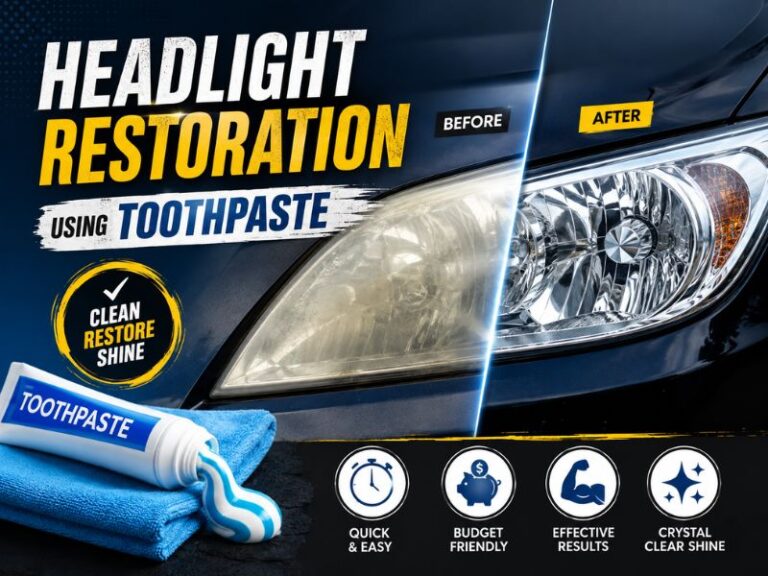
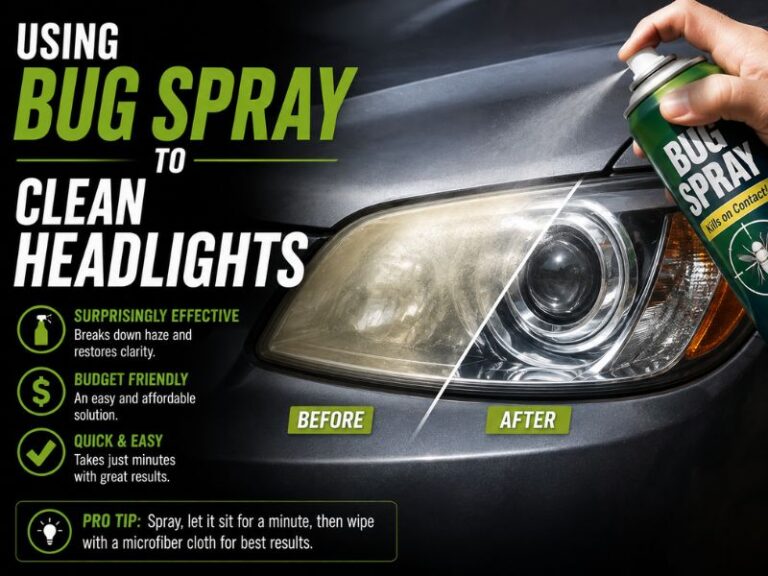
Low nighttime visibility is not always caused by the bulb. A hazy or yellowed plastic lens can scatter light, while internal reflector damage can prevent the housing from forming a strong beam. Dirt on the outside of the lens has a similar, though simpler, effect.
Voltage loss can also reduce halogen output. Corroded connectors, weak grounds, damaged wiring, or charging-system problems may keep the bulb from receiving its intended voltage. LED bulbs can hide some voltage issues while introducing their own driver or compatibility problems.
If both headlamps are weak, inspect the lenses, clean the lighting assemblies, check battery and charging voltage, and examine the connectors before buying a higher-output bulb. If only one side is poor, compare the bulb, socket, lens, and reflector with the working side.
Professional inspection is appropriate when the headlamp has suffered collision damage, the beam cannot be aimed, the wiring overheats, or an LED installation produces persistent flickering. A lighting shop can measure beam intensity and alignment rather than relying on appearance alone.
Choosing the right 9012 replacement
Choose a high-quality 9012 LED when the vehicle accepts the conversion, the bulb fits without compromising the dust seal, the cooling system is adequate, and the beam remains controlled after installation. This option offers the greatest potential for increased output, but it requires the most attention to compatibility and aim.
Choose a performance 9012 halogen when predictable optics, simple installation, and conservative road compatibility are priorities. The improvement may be smaller, but the bulb is more likely to work as the original headlamp designer intended.
Avoid selecting solely by claimed lumens or color temperature. A modestly rated bulb with stable thermal performance and accurate emitter placement can provide better usable visibility than a highly advertised bulb that scatters light or loses output when hot.
Before finalizing the choice, verify the exact bulb number, inspect the headlamp condition, compare the electrical requirements, and plan to check aim after installation. Those steps prevent many of the problems incorrectly blamed on bulb brightness.
Conclusion: the brightest 9012 bulb is the one with usable output
A high-quality 9012 LED usually offers the greatest potential brightness, but maximum advertised lumens do not guarantee better nighttime vision. Beam geometry, heat control, electrical compatibility, headlamp condition, legal approval, and correct aiming determine whether that light is genuinely useful.
The major limitation is that an LED conversion may fit the socket without reproducing the original halogen beam, creating glare or weak distance illumination. Confirm fitment, preserve the dust seal, inspect the beam, and have the headlamps professionally aimed if the pattern is unclear before relying on the upgrade.