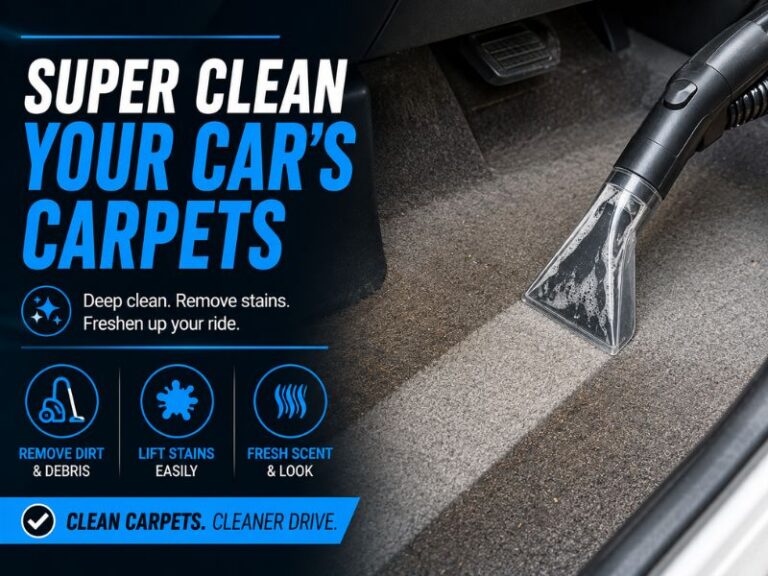
Can You Clean Your Car Interior with Dish Soap: Explained Clearly
Yes, you can use a small amount of diluted dish soap to clean some car-interior surfaces, especially hard plastic, vinyl, and lightly soiled rubber. It is not the best choice for every material, and using too much water or soap can leave residue, discolor surfaces, or damage leather and sensitive electronics.
A coffee spills across the center console, a child leaves sticky fingerprints on the door panel, or a dusty dashboard suddenly looks dull before an important drive. Dish soap seems like an easy solution because it cuts grease and is already beside the kitchen sink, but a car interior contains coatings, upholstery, seams, switches, and finishes that do not react like plates and pans.
The important question is not simply whether the soap cleans. It is whether the solution is appropriate for the specific surface, whether it can be removed completely, and whether moisture can be kept away from vulnerable areas. This guide explains where diluted dish soap works, where it should be avoided, how to mix and apply it safely, which alternatives are better, and when a stain or odor calls for professional cleaning.
Where Diluted Dish Soap Is Usually Safe
A mild dish soap solution can be useful for hard, nonporous surfaces that have ordinary dirt, fingerprints, food residue, or light grease. Common examples include textured plastic door panels, vinyl trim, rubber floor mats, plastic cup holders, and the outer surfaces of some center consoles.
The soap loosens oily grime so it can be lifted with a microfiber towel. The cleaning action comes from surfactants, which help water surround and remove grease; it does not mean the product is a disinfectant, conditioner, or universal interior cleaner.
Use a conservative mixture rather than applying concentrated soap directly. A few drops in a cup or two of warm water is generally enough for light cleaning. The finished solution should feel only slightly soapy, not thick or heavily sudsy.
Even on suitable surfaces, test first. Apply a small amount to a hidden area, wipe it away, and check the spot after it dries for color change, streaking, tackiness, swelling, or a dull patch.
Surfaces That Need More Caution
Car interiors combine materials with different finishes, so the same cleaner may be harmless on one area and troublesome on another. Identify the surface before cleaning instead of treating the entire cabin with one homemade solution.
Leather and coated leather
Dish soap is not the preferred cleaner for genuine leather, perforated leather, or coated automotive leather. A very weak solution used once on a small emergency spill may not cause visible harm, but repeated use can remove surface oils, leave residue in the grain, or make the finish look dry.
Leather also has stitching, perforations, and protective coatings that can trap moisture. Use a product labeled for automotive leather, apply it to a cloth rather than soaking the seat, and follow with an appropriate conditioner when the material requires one.
Cloth seats and carpeting
Dish soap can loosen a greasy spot on fabric, but it is easy to use too much. Excess soap penetrates the cushion, attracts more dirt when it dries, and may create a visible ring around the cleaned area.
For fabric, remove loose debris first and use minimal moisture. A dedicated automotive upholstery cleaner is usually easier to rinse or extract, particularly for large stains, light-colored cloth, or seats with built-in heating and ventilation.
Suede, microsuede, and specialty trim
Alcantara-style materials, microsuede, and other specialty finishes should not be treated casually with dish soap. Water marks, texture changes, and discoloration can result from aggressive rubbing or an unsuitable cleaner.
Check the vehicle manual or material-care instructions before applying anything. When the material is expensive, heavily stained, or visibly changing texture, professional detailing is safer than repeated home experiments.
Touchscreens, gauges, and electronic controls
Do not spray a soap solution directly onto a touchscreen, instrument cluster, steering-wheel controls, window switches, vents, or seams around electronic components. Liquid can enter openings and cause malfunction, while soap residue may interfere with touch sensitivity or leave a hazy film.
Use a dry or barely damp microfiber cloth, and put any approved cleaner on the cloth rather than the display. Turn the vehicle off before cleaning sensitive controls, and avoid pressing moisture into buttons or panel gaps.
How to Mix and Use Dish Soap Safely
Good technique matters as much as the product. The goal is to lift dirt with controlled moisture, then remove both the loosened grime and the cleaning residue before they dry.
- Read the vehicle materials guidance. Check the owner’s manual for warnings about leather, screens, seat fabrics, protective coatings, or specialty trim.
- Remove loose dirt first. Vacuum crumbs and dust or wipe them away with a dry microfiber towel. Rubbing grit into plastic or fabric can create scratches and dark smears.
- Prepare a weak solution. Add only a few drops of mild dish soap to warm water. Avoid a heavily foaming mixture, bleach, ammonia, abrasive powders, and automatic dishwasher detergent.
- Test an inconspicuous spot. Let the test area dry fully before deciding that the solution is safe.
- Dampen the cloth, not the interior. Wring the microfiber towel until it is damp rather than wet. Direct spraying increases the chance of liquid reaching electronics, seams, and seat mechanisms.
- Work in small sections. Wipe gently in one area at a time, turning the towel as it picks up soil. Use a soft detailing brush only for textured plastic or crevices that can tolerate light brushing.
- Wipe away residue. Follow with a separate microfiber cloth dampened with clean water. This step is especially important on dashboards, door panels, and anything touched frequently.
- Dry the surface. Use a clean towel and leave doors or windows open briefly when practical. Do not leave seats, carpets, or seams wet.
Never scrub aggressively to compensate for a weak cleaner. Firm pressure can permanently polish a textured plastic area, spread a stain deeper into fabric, or damage a soft-touch coating that is already breaking down.
Why Too Much Dish Soap Causes Problems
Kitchen dish soap is designed to suspend grease so it can be rinsed away with plenty of water. A car interior usually cannot be rinsed, so the product’s residue may remain in texture, stitching, seams, and upholstery fibers.
A sticky or hazy film can attract dust and make the surface look dirty again quickly. On a steering wheel, gear selector, or door pull, residue may also create an unpleasant slick feeling that affects grip and control.
Strong degreasing formulas may gradually affect soft-touch coatings, dyed surfaces, or protective finishes. Fragrance and additives can also leave a smell in an enclosed cabin, particularly when the fabric or padding becomes damp.
More soap does not equal more cleaning. If a stain remains after one careful pass, the cause may be dye transfer, embedded grease, mildew, permanent discoloration, or material damage rather than insufficient detergent.
What Dish Soap Should Not Be Used For
Some interior-cleaning mistakes create a safety issue rather than merely an unattractive finish. Keep dish soap and excess water away from these areas:
- Seat belts: Do not soak, bleach, or aggressively scrub the webbing. A belt that is wet or contaminated with residue may not retract normally.
- Airbag covers and seams: Avoid saturating steering-wheel hubs, dashboard airbag panels, and seat-mounted airbag areas.
- Pedals and foot controls: Do not leave a slippery film on brake, clutch, or accelerator pedals.
- Steering wheels and shifters: Remove all residue because these are primary contact and control surfaces.
- Vent openings and switches: Keep liquid from entering slots, buttons, ports, and panel gaps.
- Headliners: A wet or aggressively scrubbed headliner can loosen its adhesive and cause sagging.
If dish soap or water reaches an electronic control, dry the area without operating the component repeatedly. For a significant spill, warning light, malfunction, or persistent electrical problem, arrange an inspection rather than continuing to clean it.
Better Alternatives for Different Interior Materials
A dedicated cleaner is not automatically safer, but a product made for the material usually provides clearer directions and a better balance of cleaning strength and residue control.
- Plastic and vinyl: Use a mild automotive interior cleaner or a diluted soap solution for occasional light grime.
- Leather: Choose an automotive leather cleaner and, where appropriate, a compatible conditioner.
- Cloth upholstery: Use an upholstery or fabric cleaner designed for vehicle interiors, applying as little liquid as possible.
- Glass: Use an automotive glass cleaner with a clean, lint-free towel. Dish soap can streak unless thoroughly removed.
- Touchscreens: Follow the vehicle or screen manufacturer’s care instructions and use a clean, soft microfiber cloth.
- Rubber mats: Mild soap and water can work well, provided the mats are removed, rinsed, and completely dried outside the vehicle.
Regardless of the product, avoid cleaners containing harsh solvents, strong acids, abrasive particles, or unverified household mixtures. Never combine cleaning chemicals, especially products containing bleach or ammonia.
How to Handle Common Interior Messes
Greasy fingerprints and food residue
Start with a dry microfiber towel, then use the weak soap solution on a second towel. Wipe the affected plastic or vinyl, follow with a clean damp cloth, and dry immediately.
Fresh liquid spills
Blot instead of rubbing. Press clean towels into the spill to remove as much liquid as possible, then clean the remaining residue according to the material. Milk, sweet drinks, and coffee can produce odor if they reach padding, so quick extraction matters.
Ink, dye transfer, and makeup
Dish soap may not remove these marks and can spread them. Test a material-specific stain cleaner in a hidden location, and stop if color transfers to the towel or the finish becomes cloudy.
Odors
Soap may remove surface residue but will not necessarily eliminate an odor source inside foam, carpet backing, vents, or a spill-damaged seat. Locate and remove the source first; persistent mustiness may require extraction, drying, or professional odor treatment.
When Professional Interior Cleaning Makes Sense
Professional help is worthwhile when contamination is extensive, the stain has reached seat padding, mold or mildew is suspected, or the interior contains delicate leather and specialty materials. It is also sensible after a major drink spill, flood exposure, or a leak that has soaked carpet beneath the visible surface.
Seek help if a soft-touch coating is peeling, leather is cracking, a headliner is sagging, or an electronic component is behaving unusually after moisture exposure. Cleaning cannot reverse every form of material damage, and repeated DIY treatments may make restoration more difficult.
For routine maintenance, however, careful vacuuming, prompt blotting, appropriate material-specific products, and controlled moisture are usually more important than buying the strongest cleaner available.
Conclusion: Use Dish Soap Sparingly and Only on Suitable Surfaces
A diluted dish soap solution can clean light grime from hard plastic, vinyl, rubber, and similar nonporous parts of a car interior. The major limitation is that it is not a universal interior cleaner: leather, fabric, specialty trim, screens, electronics, seat belts, and airbag areas need more specific care, and excess moisture or residue can create damage or a safety concern.
For a small mess, test a weak mixture, apply it to a microfiber cloth, use minimal moisture, wipe with clean water, and dry completely. For delicate materials, deep stains, odors, or moisture that has reached padding or electronics, choose a compatible automotive product or have the interior professionally assessed.