Can You Paint a Car When It’s Raining: Complete Guide and Tips
Yes, you can paint a car when it is raining, but painting outdoors in active rain is usually a bad idea. Moisture, humidity, cool temperatures, and airborne debris can prevent automotive paint from curing correctly and leave the finish cloudy, rough, blistered, or poorly bonded.
The deciding detail is not simply whether water is falling. A controlled, enclosed spray booth with dehumidification may produce good results during wet weather, while an uncovered driveway can ruin the same paint job within minutes. Automotive coatings need a clean, dry surface and stable conditions from preparation through final curing.
This guide explains how rain affects primer, base coat, and clear coat; which weather conditions matter most; when a temporary shelter is sufficient; and why some do-it-yourself shortcuts create expensive repairs. After reading, you will know how to check humidity, surface temperature, and ventilation, how to protect a freshly painted panel, and when postponing the job or using a professional booth is the safer choice.
Why Rain Makes Car Painting Risky
Rain creates several problems at the same time. Water can land directly on the panel, but even after the rain stops, the air may remain saturated with moisture. That moisture can settle on cool metal or mix with wet paint before the coating has formed a protective surface.
Automotive paint is designed to dry and cure within a particular range of temperature and humidity. When conditions fall outside that range, solvents and water-based carriers evaporate more slowly, and the coating may not flow, bond, or harden as intended.
The most common risks include:
- Water spots and fisheyes: Droplets or oily contamination can create circular defects in the finish.
- Cloudy or milky clear coat: Trapped moisture can make a transparent coating look hazy.
- Blushing: Rapid cooling and high humidity may cause a dull, whitish appearance.
- Poor adhesion: Primer or paint may not grip a damp surface securely.
- Runs and sagging: Slow evaporation gives wet paint more time to move downward.
- Uneven color: Metallic and pearl particles may settle or orient inconsistently.
- Longer curing time: A surface that feels dry may still be soft underneath.
Rain can also carry dust, pollen, mineral deposits, and pollutants onto the vehicle. Even a light drizzle may leave contamination that becomes trapped under the next coat.
Can You Paint a Car Outdoors in the Rain?
Painting a car outdoors while rain is falling should generally be avoided. A canopy, tarp, or open-sided garage may keep large drops off the vehicle, but it does not control humidity, wind, dust, temperature, or overspray.
An improvised shelter can introduce another hazard. Plastic sheeting may block airflow and trap solvent vapors, while wind can make the sheeting flap against wet paint or blow contaminants into the work area.
Outdoor painting may be possible after a storm only when the vehicle and work area are completely dry and the forecast provides a long, stable window for application and curing. The surface must not merely appear dry; seams, trim edges, panel gaps, and body filler can retain water.
For a small touch-up, a dry enclosed garage with suitable ventilation is safer than an open driveway. However, a household garage is not automatically a professional spray booth. Combustible vapors, ignition sources, poor airflow, and inadequate respiratory protection can make automotive refinishing dangerous.
Weather Conditions That Matter Most
Humidity
Relative humidity is one of the most important factors. High humidity slows evaporation and increases the chance that moisture will become trapped in the coating. Some products tolerate moderate humidity better than others, so the product label and technical data sheet should control the acceptable range.
Even if rain has stopped, humidity can remain high enough to affect the finish. A humidity meter is more useful than judging the air by appearance. If the environment is damp, the panel may also be colder than the surrounding air, allowing condensation to form.
Temperature
Paint should be applied within the temperature range specified for that product, and the panel temperature matters as much as the air temperature. A metal hood left outside overnight may be too cold even when a thermometer at waist height shows a suitable reading.
Low temperatures slow curing and can produce orange peel, runs, poor flow, and weak adhesion. Sudden temperature changes can also cause condensation before or after spraying. Allow the vehicle, paint, and workspace to reach a stable temperature before beginning.
Condensation and dew point
Condensation forms when a surface reaches the dew point, the temperature at which air can no longer hold its moisture. This is why a seemingly dry panel may develop a fine film of water in a cool, damp garage.
Never spray over condensation. Wipe the panel with a clean, compatible solvent or surface cleaner only if the coating system allows it, then wait until the surface is fully dry and the temperature remains stable.
Wind and airborne contamination
Wind can carry water, dust, insects, leaves, and overspray into the finish. It can also dry one side of a panel faster than another, making application less predictable.
A clean, enclosed workspace with controlled airflow is preferable. Air movement should remove fumes without creating turbulence that disturbs the spray pattern or deposits debris on the panel.
How Rain Affects Each Paint Layer
Primer
Primer needs a clean, dry, properly prepared surface. Moisture under primer can contribute to corrosion, bubbling, lifting, and adhesion failure, especially where bare steel or exposed filler is present.
Rainwater can also contaminate sanded bodywork with minerals and dirt. If the panel becomes wet, it should be dried thoroughly and inspected before primer is applied. Any softened filler, swollen edge, or developing surface rust must be corrected first.
Base coat
Base coat provides color but usually does not provide durable protection by itself. Water or excessive humidity during application can disturb metallic orientation, create patchy coverage, and change how the color reflects light.
Some waterborne base coats are especially sensitive to drying conditions because they depend on controlled airflow and evaporation. A base coat may look acceptable while still holding moisture beneath the surface, which can affect the clear coat applied afterward.
Clear coat
Clear coat is vulnerable to moisture during its early cure. Rain cannot simply be polished away if droplets have etched or distorted the coating. Sanding and refinishing may be required.
High humidity can cause clear-coat blushing, a milky or dull appearance created when moisture becomes trapped as the solvents leave. Clear coat may also remain soft for longer, making it easier to mark with dust, covers, or accidental contact.
When Painting in Wet Weather May Be Acceptable
Wet weather does not automatically prevent every refinishing job. A professional spray booth can control temperature, filtration, airflow, and—in some facilities—humidity. Under those conditions, rain outside may have little effect on the application inside.
A small repair in a dry, enclosed, well-ventilated workspace may also be reasonable if all of the following are true:
- The vehicle and every repair layer are completely dry.
- The workspace stays within the coating manufacturer’s temperature and humidity limits.
- There is no condensation on the panel, equipment, or surrounding surfaces.
- Airflow is adequate for drying and fume removal.
- The area is free from rain entry, windblown debris, and active leaks.
- The painted area can remain undisturbed for the required cure time.
These conditions are difficult to maintain in a typical residential garage. If the space cannot safely exhaust fumes or prevent ignition, the weather question becomes secondary: the job should not proceed there.
Preparing a Vehicle After It Has Been Rained On
Do not begin by wiping the wet vehicle aggressively with a towel. Rubbing water and grit across freshly prepared panels can create scratches and move contamination into sanding marks.
- Move the vehicle into a dry, protected area.
- Allow standing water to drain from panel gaps, mirrors, trim, and seams.
- Dry the surface with clean, lint-free materials and suitable air, if available.
- Inspect bare metal, filler, primer, and sanded edges for moisture or swelling.
- Clean the panel with the surface-preparation products approved for the paint system.
- Wait until the panel reaches a stable temperature and shows no signs of condensation.
- Recheck the weather and workspace conditions before mixing or spraying paint.
Compressed air can help remove water from crevices, but it must be clean and free of oil or liquid contamination. A contaminated air line can cause fisheyes and adhesion defects that resemble a paint-product problem.
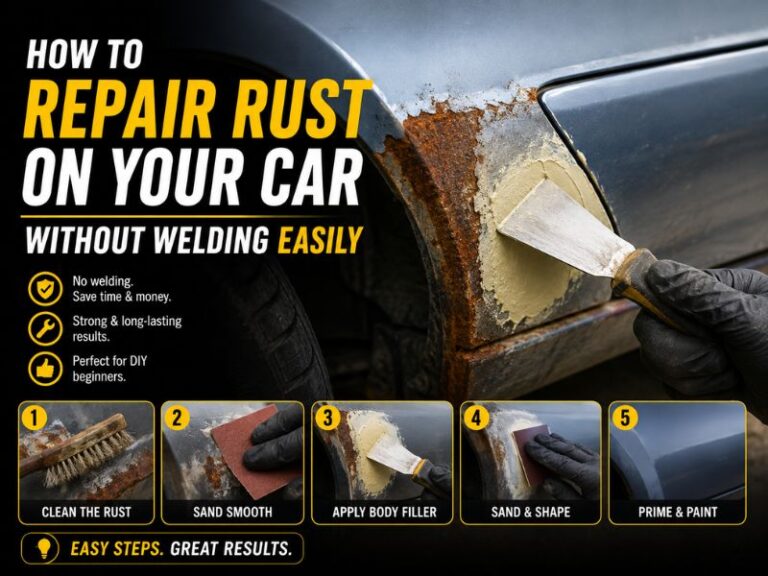
If rain reached exposed steel, inspect for flash rust. Light surface rust may require additional sanding and cleaning, while deeper corrosion or rust beneath an edge may need more extensive repair before refinishing.
Protecting Fresh Paint From Rain
Fresh paint should remain sheltered until it has reached the cure stage specified by the product manufacturer. “Dry to the touch” does not mean fully cured. The coating may still be vulnerable to water, pressure, dust, and fingerprints.
Do not place a tarp directly over a freshly painted car. The material can touch the finish, trap moisture, transfer texture, or shed fibers. If temporary protection is essential, use a clean structure that keeps the cover above the vehicle and allows safe ventilation.
Keep the vehicle away from sprinklers, open doors during a storm, dripping ceilings, and condensation from cold metal surfaces. Avoid washing, waxing, polishing, or driving through standing water until the coating has cured according to its instructions.
If unexpected rain reaches uncured paint, do not immediately wipe the surface. Wiping can smear the coating and create deeper damage. Once conditions are safe, allow the area to dry, document the defects, and ask a refinishing professional whether the affected layer should be sanded and reapplied.
Signs the Weather Has Damaged the Finish
Some defects are visible immediately, while others appear after the coating has cured. Early inspection helps determine whether the surface needs correction or complete refinishing.
- Small circular depressions or craters in the wet finish
- Milky, gray, or cloudy clear coat
- Water spots that remain after gentle cleaning
- Wrinkling, lifting, or swelling around repair edges
- Uneven metallic or pearl color
- Runs, sags, or areas that stay soft and tacky
- Bubbling that may indicate moisture or corrosion underneath
- Peeling or flaking caused by weak adhesion
Do not assume polishing will fix every rain-related defect. Polishing can improve minor surface marks after full curing, but it cannot correct moisture trapped beneath the coating, poor adhesion, or corrosion under the paint.
Safety Considerations for DIY Automotive Painting
Automotive coatings can contain flammable solvents and hazardous vapors. Rain may encourage a painter to close every door and window, but an unventilated workspace can quickly become unsafe.
Use the personal protective equipment and ventilation method required by the product manufacturer. A suitable respirator, gloves, eye protection, protective clothing, and proper spray-area controls may be necessary. A basic dust mask is not a substitute for respiratory protection designed for paint vapors.
Keep flames, cigarettes, heaters, motors, switches, and other ignition sources away from solvent vapors. Never trade safe ventilation for a drier-looking workspace, and never spray in an occupied living area or attached garage without understanding the fire and fume risks.
Professional help is the better option when the repair involves multiple panels, bare metal, extensive body filler, blending, metallic paint, or a finish that must match the rest of the vehicle. A shop can provide controlled conditions and correct defects without relying on a short gap between rain showers.
How to Decide Whether to Wait
Postpone the job if rain is expected during application or the initial curing period. Waiting is also wise when humidity is very high, the temperature is falling, the panel feels cold, or the workspace cannot remain clean and dry.
For a minor touch-up, waiting for a stable dry period may be enough. For a complete respray, use a properly equipped booth or schedule the work with a qualified refinisher rather than trying to create booth conditions with tarps and household fans.
Check the coating’s technical data sheet before starting. It should identify application temperature, humidity limits, recoat timing, reducer or activator choices, flash times, and curing guidance. Those specifications take priority over generic weather advice because different paint systems respond differently.
Conclusion: Wait for Controlled, Dry Conditions
Can you paint a car when it’s raining? Only when the painting area is genuinely controlled, dry, properly ventilated, and within the coating manufacturer’s limits. Outdoor rain, damp panels, high humidity, and improvised covers create too much risk for a durable finish.
The practical next step is to measure the workspace humidity and panel temperature, inspect for condensation, and read the product instructions before mixing paint. If those conditions cannot be controlled safely, postpone the job or use a professional spray booth.