Do Car Washes Clean Interior: Key Facts and Helpful Explanations
Most car washes clean the vehicle’s exterior, but interior cleaning depends on the type of service purchased. An automatic tunnel wash usually does not vacuum, wipe, or shampoo the cabin, while a full-service wash or detailing package may include selected interior work.
The reason is that exterior washing and interior cleaning use different processes, equipment, labor, and customer expectations. Water, brushes, and drying systems can remove road film from painted surfaces, but crumbs, dust, stains, pet hair, odors, and embedded grime inside the vehicle require vacuuming, specialized cleaners, careful wiping, and more time. The final result therefore depends on the facility’s menu, the package selected, and how deeply the interior needs to be cleaned.
This guide explains what different car wash services normally include, how to check whether an interior service is available, what workers can and cannot remove, and when professional detailing is a better choice. After reading, you will be able to compare service descriptions, prepare the cabin properly, recognize limitations involving stains or delicate materials, and avoid assuming that an exterior wash also means a clean interior.
What a Standard Car Wash Usually Cleans
A standard automatic car wash is primarily designed for the vehicle’s exterior. Depending on the package, it may apply soap, rinse water, wax or sealant, tire cleaner, wheel cleaner, and a drying treatment before the car exits the tunnel.
These systems can remove loose dirt, road salt, dust, mud, and some surface contaminants from the body. They generally do not enter the passenger compartment because the equipment is built around the exterior shell, not the seats, carpets, dashboard, door panels, or storage areas.
Even a staffed wash that includes hand drying may focus only on the outside. Employees might dry mirrors, wipe door jambs, or clean visible exterior glass, but those actions do not necessarily mean the cabin receives any attention.
Interior cleaning is usually an add-on or separate package. The service name may include terms such as interior clean, vacuum service, full-service wash, cabin cleaning, mini-detail, or interior detail. Reading the package description matters more than relying on the business name.
Which Interior Services Car Washes May Offer
Facilities vary widely, so an “interior service” can mean anything from a quick vacuum to a detailed cleaning. A basic option may take only a few minutes and address the most visible areas, while a higher-priced package may involve several workers and a longer appointment.
Quick vacuum and surface cleaning
A basic interior add-on commonly includes vacuuming the floor mats, carpets, and seats, along with wiping hard surfaces such as the dashboard and center console. Some locations also clean the inside of the windows and remove visible trash.
This level of service is useful for routine dust, loose dirt, and minor crumbs. It is not normally intended to remove deeply embedded sand, heavy pet hair, grease, food stains, or long-standing odors.
Full-service wash interior cleaning
A full-service package may include more thorough vacuuming, mat cleaning, interior glass, dashboard and door-panel wiping, and light spot treatment. Workers may move the front seats, clean cup holders, and reach areas that a quick vacuum misses.
However, “full service” does not always mean the same thing at every location. One business may include only a basic cabin wipe-down, while another may offer labor-intensive cleaning as part of a more expensive package.
Interior detailing
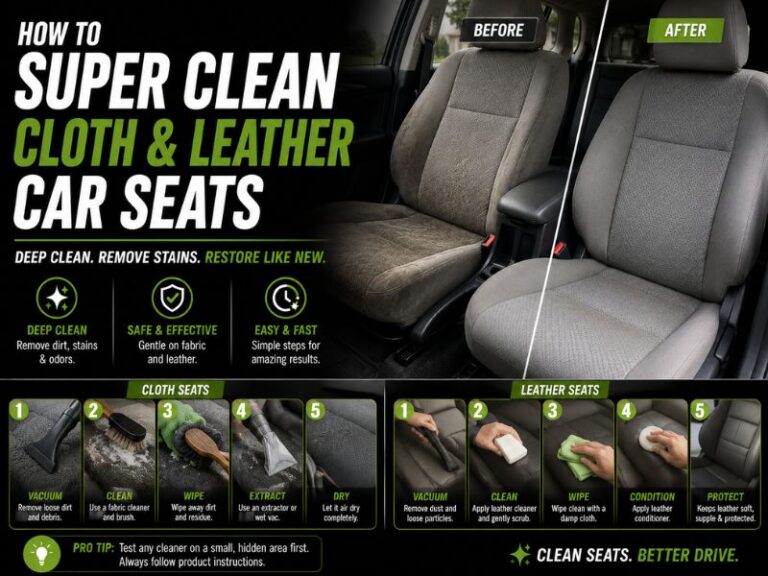
Interior detailing is the most thorough category and is often performed by a dedicated detail shop rather than a conventional express wash. It can include careful vacuuming, crevice cleaning, fabric treatment, leather or vinyl conditioning, plastic cleaning, odor treatment, and more extensive stain work.
Detailers may use extraction equipment to flush and recover moisture from upholstery and carpets. They may also use brushes, air tools, steam, or material-specific cleaners, but the exact process depends on the vehicle’s surfaces and the condition of the cabin.
Detailing takes longer because workers must inspect materials, treat problem areas, protect electronics, and allow damp fabrics to dry. It is a different service from simply adding a vacuum to an exterior wash.
How to Tell Whether Interior Cleaning Is Included
The safest approach is to check the written package description before entering the wash. Look for specific terms such as vacuum, mats, dashboard, windows, upholstery, carpet shampoo, stain removal, or interior surfaces.
A package that says “wash and wax” or “premium exterior” should not be assumed to include cabin cleaning. Likewise, a “clean car” or “full-service wash” label may be too vague to establish exactly what workers will do.
Ask an employee a direct question if the menu is unclear: “Does this package include vacuuming and wiping the inside, or is that an additional service?” It is also helpful to ask how much of the interior is covered and whether the vehicle must be emptied first.
- Check whether vacuuming is included.
- Confirm whether floor mats are cleaned or only moved aside.
- Ask whether interior glass and dashboard surfaces are wiped.
- Determine whether stains, pet hair, or odors cost extra.
- Ask whether the service is available immediately or requires an appointment.
Self-service wash locations often provide vacuum stations, mat-cleaning equipment, and trash bins rather than employee-performed interior cleaning. In that situation, the facility supplies tools, but the owner performs the work.
What a Basic Interior Cleaning Can and Cannot Do
A quick cabin cleaning is effective when the main problem is loose debris. Vacuuming can remove crumbs, dry dirt, hair, and dust from accessible areas, while a microfiber cloth and appropriate cleaner can improve the appearance of plastic, vinyl, and other hard surfaces.
Routine cleaning may also reduce odors caused by fresh food particles, damp floor mats, or ordinary dust. It will not necessarily eliminate an odor that has soaked into padding, carpet backing, air-conditioning components, or upholstery.
Stain removal is less predictable than surface cleaning. A fresh, water-based spill may respond well to prompt treatment, but old coffee, grease, dye transfer, ink, vomit, and pet accidents can permanently discolor fabric or leave an odor below the surface.
Pet hair is another common limitation. Loose hair may be vacuumed away, but fine strands can become woven into carpet fibers or trapped in seat seams. Removing it may require rubber tools, brushes, compressed air, repeated passes, and an additional charge.
Some express services avoid heavy soil because aggressive scrubbing or excessive moisture can damage materials. A responsible worker should not saturate electronic controls, use an unsuitable solvent on leather, or apply a glossy product that creates a slippery steering wheel.
Why Interior Cleaning Requires Different Equipment
Exterior washing is built around rinsing contamination away from hard, water-resistant surfaces. Interior cleaning must control moisture and protect a mixture of materials, including fabric, leather, vinyl, plastics, glass, carpeting, foam, electronics, and touch-sensitive controls.
A vacuum removes dry debris, but it cannot dissolve every stain. A cleaner must be selected for the material, applied in a controlled amount, agitated when appropriate, and removed without leaving residue or excess moisture behind.
Moisture control is especially important inside a vehicle. Overwet carpets or seats can take a long time to dry and may develop a musty smell. Moisture can also migrate beneath trim, into seat electronics, or around switches if cleaning is careless.
Professional detailers therefore use tools such as crevice attachments, soft brushes, upholstery extractors, air blowers, steam equipment, and low-moisture products. Not every wash has this equipment or the labor time needed to use it correctly.
Interior Areas That Often Get Missed
Even when a service includes interior cleaning, some areas may receive only limited attention. Workers commonly prioritize visible surfaces and high-traffic areas, particularly when the vehicle is part of a fast-moving express operation.
- Seat tracks and the space beneath the seats
- Door-pocket interiors and map pockets
- Cup-holder edges and narrow console gaps
- Vent slats and seams around dashboard controls
- Rear cargo areas and spare-tire compartments
- Seat creases, stitching, and carpet edges
- Child-seat contact areas and deeply embedded debris
Removing personal belongings before service improves access and prevents items from being misplaced. It also allows the worker to distinguish trash from property and reduces the chance that cleaning will be incomplete because surfaces are covered.
Valuable items, documents, medications, coins, electronics, and child seats should not be left for a wash employee to handle. A facility may have policies limiting what staff can move or accept responsibility for inside the cabin.
When a Car Wash Is Enough
A wash with a basic interior add-on is usually suitable for routine upkeep. It can make sense when the cabin has light dust, a few crumbs, mildly dirty mats, and ordinary fingerprints on hard surfaces.
It is also practical before selling or returning a vehicle when the interior is already in decent condition. A quick vacuum and wipe-down can improve presentation without the cost of a complete detail.
For regular maintenance, removing trash promptly and vacuuming periodically prevents dirt from becoming ground into carpet and upholstery. Cleaning small spills quickly is often more effective than waiting until a later appointment.
Expectations should remain realistic. A quick service improves cleanliness and appearance, but it may not restore neglected carpeting, remove every odor, or make worn materials look new.
When to Choose Professional Interior Detailing
A dedicated detailer is generally the better choice when the cabin needs more than light maintenance. Consider professional detailing for heavy staining, accumulated grime, smoke odor, extensive pet hair, spilled liquids, or a vehicle that has not been cleaned for a long time.
Professional help is also useful for delicate or expensive interiors. Leather, suede-like upholstery, perforated seats, wood trim, piano-black plastic, and vehicles with extensive seat electronics require controlled methods and material awareness.
Ask what the quoted service includes before approving the work. Important details include stain treatment, extraction, odor treatment, leather conditioning, pet-hair removal, drying time, and whether heavily soiled areas cost extra.
No legitimate service can guarantee that every stain or smell will disappear. Permanent dye changes, sun damage, mold contamination, damaged foam, and odors inside the ventilation system may require specialized treatment or replacement rather than ordinary cleaning.
Safety and Material-Protection Considerations
Interior products should be compatible with the surface being cleaned. A product intended for glass may leave residue on a dashboard, while a harsh degreaser can dull plastic, discolor fabric, or strip protective finishes.
Never accept a slippery coating on steering wheels, pedals, or gear selectors. Shiny dressing may look attractive on some plastics, but it can reduce grip and transfer onto clothing. A clean, low-residue finish is safer than excessive gloss.
Electronic controls, instrument panels, charging ports, and seat switches should be cleaned with minimal moisture. Spraying liquid directly onto a surface increases the chance that it will run into seams or openings.
After wet cleaning, inspect whether carpets and seats are properly dry. If the interior remains damp, leave doors or windows open in a safe, ventilated location and follow the service provider’s drying guidance. A persistent damp smell may indicate moisture trapped beneath the visible surface.
Do not allow a wash employee to pressure-wash the cabin or flood upholstery. Interior materials are not designed for the same water volume used on an exterior body panel.
How to Prepare a Vehicle for Interior Service
Preparation makes the cleaning more efficient and reduces misunderstandings about the result. Remove personal belongings, child seats when practical, loose change, trash, paperwork, and items from the cargo area before handing over the vehicle.
Point out specific concerns, such as a fresh spill, pet hair, a sticky cup holder, or an odor. Showing the worker the problem helps determine whether the selected package is appropriate and whether extra labor or a different method is needed.
- Empty the cabin and trunk of personal items.
- Separate valuables and documents for safekeeping.
- Identify stains, odors, pet hair, or areas needing special attention.
- Confirm exactly what the package includes and the expected price.
- Ask about drying time if seats, mats, or carpets will be wet-cleaned.
- Inspect the result before leaving, especially high-priority areas.
Taking photographs before service can help document the vehicle’s initial condition when extensive work is ordered. This is particularly sensible for older interiors, pre-existing damage, or services involving stain removal and extraction.
How Much Interior Cleaning May Cost
Prices depend on location, vehicle size, labor time, condition, and the type of treatment. A basic vacuum may be relatively inexpensive, while shampooing, extraction, odor treatment, or extensive pet-hair removal can raise the cost substantially.
Express washes often advertise a low-cost interior add-on, but that price usually reflects a limited service. A detail appointment costs more because it includes inspection, hand work, specialized tools, and additional drying or preparation time.
Before comparing prices, compare the actual work. A cheaper package that only vacuums the front seats is not equivalent to a service that cleans all carpets, mats, panels, glass, and upholstery.
How to Interpret the Service Result
A clean interior should have noticeably less loose debris and surface grime, but the result may still show wear, discoloration, or marks that are permanent. Existing scratches, faded plastics, cracked leather, frayed carpet, and sun damage are condition issues rather than removable dirt.
Check the areas promised in the package while the vehicle is still at the facility. Look at floor edges, mats, cup holders, door panels, interior glass, and the areas identified before service.
If a stain or odor remains, ask what was attempted and whether further treatment is appropriate. Repeatedly applying stronger chemicals without identifying the material or source can cause more damage than the original contamination.
Conclusion: Confirm the Interior Package Before Paying
Most ordinary car washes clean the exterior only; interior work must usually be selected as an add-on, a full-service package, or a separate detail. A quick vacuum and wipe-down can handle light maintenance, while stains, odors, pet hair, heavy soil, and delicate materials often require professional detailing.
The main limitation is that no cleaning method can guarantee removal of permanent discoloration, embedded odors, or material damage, and excessive moisture or unsuitable products can harm the cabin. Check the written package, remove personal belongings, describe problem areas, and choose the service level that matches the vehicle’s actual condition.