How Much Is Metallic Paint for Car: Essential Information Guide
Metallic car paint typically costs about $30 to $100 for a small DIY kit, $100 to $300 for enough paint to cover a larger area, or $1,500 to $5,000 when a professional shop repaints an entire vehicle. The final price depends on paint quality, vehicle size, color complexity, surface damage, labor, and whether the job involves a complete color change.
The first cost link is the paint system itself: metallic color requires pigment mixed with reflective aluminum or other fine particles, followed by a compatible clear coat. That added material and application precision can raise the price, while poor preparation can create a finish that looks uneven, dull, or visibly different from the surrounding panels. This guide explains the reasons behind the price ranges, the conditions that change an estimate, the risks of a cheap repair, and the practical details that help you compare DIY and professional options.
Before choosing a product or accepting a quote, you will need to separate paint cost from preparation and labor. The following information shows what a metallic finish usually costs for a touch-up, single panel, or full vehicle; how paint type, color matching, bodywork, and clear coat affect the total; and what to verify so you can decide whether a small repair, panel respray, or complete repaint makes financial sense.
Typical Metallic Car Paint Prices
The phrase “metallic paint” can describe either the material sold in a can or the complete process of refinishing a vehicle. Those are very different expenses. A paint supplier may charge a modest amount for color, while a body shop’s estimate includes preparation, masking, spraying, blending, curing, reassembly, and warranty overhead.
- Small touch-up bottle or pen: About $10 to $40 for a factory-matched product.
- DIY aerosol repair: Roughly $20 to $80 for color and clear coat, before primer and sanding supplies.
- DIY spray-gun materials: Approximately $100 to $300 for primer, metallic basecoat, reducer, clear coat, hardener, and related supplies.
- Professional single-panel repair: Commonly $300 to $1,000, depending on damage and blending requirements.
- Professional partial repaint: Often $800 to $2,500 for several panels or a localized area.
- Professional full repaint: Generally $1,500 to $5,000 for a basic driver-quality finish, with higher-end work reaching $6,000 to $10,000 or more.
These are broad United States estimates rather than fixed prices. A compact car needing a straightforward exterior respray may cost far less than a large SUV with peeling clear coat, dents, rust, trim that must be removed, and a difficult color to blend.
What Makes Metallic Paint More Expensive?
Metallic paint contains reflective particles that catch light and create a shimmering appearance. The particles must be distributed consistently, because changes in spray distance, gun pressure, overlap, reducer choice, or panel orientation can make one area appear lighter, darker, or more heavily speckled than another.
That visual sensitivity is the main reason a metallic repair is not always a simple matter of applying the exact color code. Even if the paint formula is correct, the final appearance can change according to the spray technique, number of coats, flash time, and angle of the metallic particles.
Paint quality and formulation
Entry-level aerosol paint is less expensive than professional automotive basecoat. Professional products usually offer more reliable color consistency, better atomization, broader formula support, and compatibility with a two-stage clear-coat system. Waterborne basecoats may also cost more in materials and require suitable equipment and controlled drying conditions.
Exotic or premium finishes can increase the price further. Fine metallic, coarse metallic, pearl, tri-coat, candy, and color-shifting finishes require different application methods and may need additional color layers. A pearl or tri-coat finish is not technically the same as a simple metallic paint job, but shops often quote these finishes in a similar higher-cost category because matching and blending are more demanding.
Vehicle size and paint quantity
A small two-door car uses less product than a pickup truck, full-size SUV, or passenger van. More surface area means more basecoat, clear coat, primer, masking material, labor, and booth time.
Paint quantity also depends on the color underneath and the condition of the old finish. A poorly covering color may need extra coats, while a repair over a contrasting substrate may require sealer or additional primer to prevent the old shade from showing through.
Preparation and body repair
Paint cannot hide serious surface defects permanently. Dents, scratches through the primer, bubbling rust, peeling clear coat, plastic damage, and previous poor repairs must be corrected before the color is sprayed.
Preparation can account for a large portion of a professional estimate. Sanding, filling, feathering edges, removing trim, treating corrosion, applying primer, and cleaning the surface all take time. If preparation is skipped, the new finish may reveal sanding marks, adhesion failure, texture differences, or rust returning beneath the paint.
Cost by Type of Repair
Touch-up paint for chips and small scratches
A touch-up bottle, brush, or paint pen usually costs $10 to $40. This is appropriate for small chips where the surrounding paint remains firmly attached and the goal is corrosion protection and visual improvement rather than an invisible repair.
Metallic touch-up paint may not disappear completely because the particles will not be oriented and blended exactly like the factory finish. Clean the area, remove loose material, apply very thin layers, and allow each layer to dry as directed. A compatible clear coat can add protection, but excessive product can leave a raised spot.
Aerosol repair on one small area
A DIY aerosol job may cost $50 to $150 after adding primer, color, clear coat, masking tape, sandpaper, polishing compound, gloves, and cleaning supplies. The product price is only part of the expense, especially if the first attempt has to be sanded and repeated.
This method can work for a small, low-visibility area when expectations are realistic. It is difficult to produce a seamless metallic blend with a basic spray can, particularly on a hood, door, fender, or roof that receives direct light from multiple angles.
One-panel professional repaint
A professional shop may charge $300 to $1,000 for one panel. The lower end generally applies to limited damage and a relatively simple color, while the higher end reflects dent repair, extensive sanding, trim removal, premium materials, or a difficult match.
Many shops blend the color into the adjacent panel rather than stopping sharply at the panel edge. Blending reduces the chance of a visible color boundary, but it requires extra material and labor. The shop may also recommend clearing the entire panel or adjacent panels for consistent gloss and durability.
Complete vehicle repaint
A complete exterior repaint commonly falls between $1,500 and $5,000 for a basic to mid-level job. A low-cost service may involve limited disassembly, modest preparation, and a finish intended for an older vehicle. A higher-priced job may include extensive surface correction, better materials, more complete masking or disassembly, and improved finish refinement.
Show-quality work can exceed $10,000. That type of project may involve stripping or extensively sanding the existing finish, repairing every panel, painting door jambs and inner edges, removing glass and trim, applying multiple finishing layers, and performing extensive polishing.
How Color Matching Affects the Estimate
The factory paint code is an important starting point, but it does not guarantee a perfect match. Sun exposure, oxidation, washing, previous repairs, and age can change the appearance of the paint already on the vehicle.
For that reason, a technician may use a camera-based color measurement system, spray-out cards, or test panels to compare the new formula with the vehicle. A skilled painter may adjust the formula or blend into neighboring panels to make the repair less noticeable.
Metallic colors are particularly affected by application conditions. A panel sprayed with the same formula can look different if the metallic layer is applied too wet, too dry, too heavily, or at a different angle from the original factory finish. A quote that includes blending may therefore be more realistic than one based only on spraying the damaged panel.
Do You Need Clear Coat?
Most modern metallic automotive finishes use a basecoat-clearcoat system. The metallic color provides the pigment and reflective effect, while the clear coat supplies gloss, UV resistance, chemical protection, and much of the surface durability.
Color-only products labeled as one-stage paint may not require a separate clear coat, but the product instructions must be followed carefully. Applying an incompatible clear coat can cause wrinkling, lifting, cloudiness, poor adhesion, or other finish defects.
Clear coat adds to the material cost, but omitting it from a system designed to use one can leave the finish vulnerable to fading and oxidation. A professional quote should identify whether the price includes primer, sealer, basecoat, clear coat, hardener, reducer, and final polishing.
DIY Versus Professional Metallic Painting
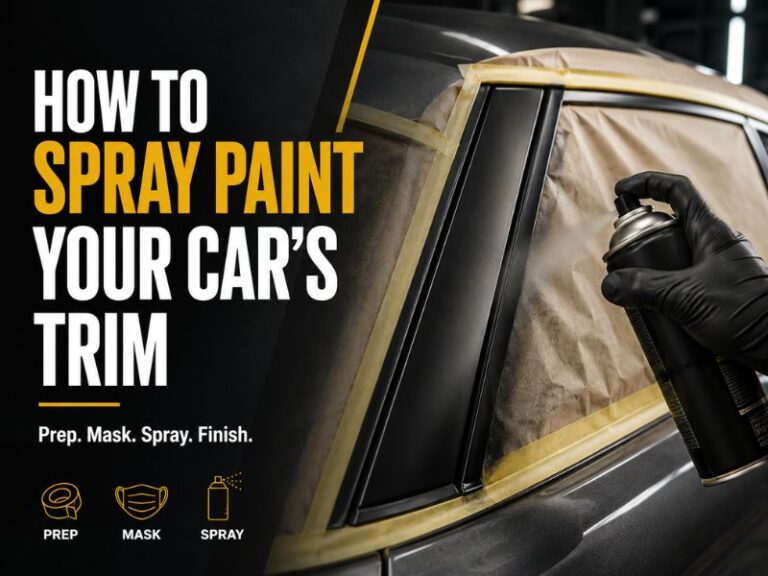
DIY painting is most economical when the damaged area is small, the vehicle is older, and a visible improvement is acceptable. It requires a clean, dry, well-ventilated work area, suitable personal protective equipment, careful surface preparation, and enough time to correct mistakes.
Spraying automotive coatings can expose a person to hazardous vapors and fine overspray. Follow the product safety data, use the specified respirator and protective equipment, keep ignition sources away, and never spray in an occupied home or poorly ventilated enclosed area. Ordinary dust masks are not a substitute for appropriate respiratory protection.
A professional shop is usually the better choice when the repair is on a prominent panel, the color is complex, the finish is severely damaged, or the vehicle has rust or structural body damage. Professionals have spray booths, mixing systems, curing equipment, and experience controlling metallic orientation.
DIY savings also become less attractive when you need to buy a spray gun, compressor, regulator, moisture filter, respirator, lighting, sanding equipment, and polishing tools. The material cost may be low, but a single failed panel can consume more time and money than a properly quoted repair.
How to Compare a Professional Quote
Ask whether the estimate covers the complete repair rather than only the visible color application. A useful quote should identify the affected panels, preparation work, paint system, clear coat, blending, trim removal, corrosion treatment, and warranty terms.
- Confirm whether dents, scratches, peeling paint, and rust are included.
- Ask if adjacent panels will be blended for a better color transition.
- Check whether the quoted finish is a basic, mid-level, or premium repaint.
- Find out if trim, lights, handles, mirrors, and weather seals will be removed or masked.
- Ask how the shop handles a color that does not match the aged surrounding paint.
- Verify the expected completion time and what the warranty covers.
A very low estimate may reflect minimal preparation, inexpensive materials, limited disassembly, or a sharp paint boundary instead of a blended repair. That does not automatically make the work unacceptable, but the scope should be clear before authorizing it.
When Repainting May Not Be Worth the Cost
Compare the repair estimate with the vehicle’s current value, mechanical condition, and expected ownership period. Spending several thousand dollars on a full repaint may be difficult to justify if the vehicle has major drivetrain problems, extensive corrosion, or a market value only slightly above the painting cost.
A targeted repair can make sense when the rest of the finish is sound. Conversely, painting one panel on a heavily faded vehicle may create a noticeable improvement in that panel but leave a mismatch with the surrounding surfaces.
Insurance coverage may apply when paint damage resulted from a covered collision or event, subject to the policy deductible and claim terms. Normal fading, neglect, and ordinary wear are generally treated differently, so review the policy and obtain an estimate before assuming coverage.
Ways to Control the Cost Without Sacrificing the Finish
Get estimates from several reputable collision or automotive refinishing shops and compare the work described, not just the total dollar amount. A shop that includes proper preparation and blending may be better value than one offering a lower price for color application alone.
Repairing small chips early can prevent moisture from reaching exposed metal. Keeping the vehicle clean, using appropriate automotive products, and protecting the finish from prolonged environmental exposure may also delay the need for a larger repaint.
If a complete color change is not necessary, staying with the original exterior color can reduce labor. A color change may require painting door jambs, trunk openings, engine-bay edges, or other areas that remain visible when the vehicle is opened.
For a DIY project, buy a complete compatible system from a reliable automotive supplier rather than mixing unrelated products. Confirm the paint code, substrate requirements, recoat window, reducer, hardener, and clear-coat compatibility before beginning.
How Much Is Metallic Paint for Car: Practical Takeaway
Metallic automotive paint costs about $10 to $40 for a small touch-up, $50 to $150 for a basic aerosol repair, $300 to $1,000 for a professionally refinished panel, and roughly $1,500 to $5,000 or more for a complete repaint. Labor, surface preparation, color matching, blending, vehicle size, and finish quality usually matter more than the price of the color alone.
The major limitation is that metallic finishes are difficult to match invisibly, and unsafe or incompatible DIY spraying can damage the vehicle or expose you to hazardous vapors. Start by identifying the paint code and damage extent, then compare itemized professional estimates or choose a compatible touch-up system when the defect is small.