How Much Does It Cost to Clean Your Car: Overview and Key Facts
A basic car wash usually costs $10 to $30, while a more thorough interior-and-exterior detail commonly runs from $150 to $400 or more. Cleaning the car yourself may cost less than $20 per wash once you own the supplies, but labor, vehicle size, condition, and service level can change the final price substantially.
The reason prices vary is that “cleaning a car” can mean anything from a quick exterior rinse to paint decontamination, stain removal, odor treatment, leather conditioning, and machine polishing. Each added task increases the time, products, equipment, and skill required, so the cheapest option is not always enough for a heavily soiled or neglected vehicle.
This guide explains the typical cost of self-service washes, automatic washes, mobile services, full details, and specialized treatments in the United States. It also shows which factors raise a quote, when a basic wash is sufficient, how to compare professional estimates, and where DIY cleaning can create risks such as paint damage, moisture problems, or permanent stains.
Typical Car Cleaning Costs in the United States
The most useful starting point is to match the price to the amount of work required. A vehicle that only has road dust and light interior debris needs very different treatment from one with embedded pet hair, spilled drinks, smoke odor, or neglected paint.
- Self-service wash: about $3 to $10 per visit.
- Automatic exterior wash: about $8 to $25.
- Hand wash: about $20 to $60.
- Basic interior cleaning: about $50 to $150.
- Standard full detail: about $150 to $300.
- Premium or heavily soiled detail: about $300 to $600 or more.
- Paint correction or specialized restoration: about $400 to more than $1,500, depending on the vehicle and finish.
These are broad consumer price ranges rather than guaranteed quotes. Prices tend to be higher in major metropolitan areas and lower in rural markets, while mobile detailers may charge more for convenience but save the customer a trip to a shop.
What Each Cleaning Option Usually Includes
Self-service car wash
A self-service bay is generally the least expensive way to clean the outside of a car. The fee usually covers timed access to a pressure wand, soap, rinse water, and sometimes a foaming brush or spot-free rinse.
This option may remove loose dirt, salt, and mud, but it normally does not include hand drying, wheel detailing, interior work, or protection. Bring a clean microfiber towel if the facility permits drying, and avoid using a shared brush on delicate paint because trapped grit can cause scratches.
Automatic exterior wash
An automatic wash commonly costs $8 to $25, with the higher tiers adding underbody rinsing, wheel cleaning, wax, or a drying cycle. Monthly memberships can reduce the effective price for drivers who wash frequently, although the value depends on how often the service is used.
Automatic washes are convenient for routine surface cleaning, but friction-based systems can leave swirl marks on sensitive or poorly maintained paint. Touch-free systems reduce that contact, yet their chemicals and pressure may not remove stubborn film as effectively as careful hand washing.
Hand wash
A professional hand wash often costs $20 to $60 for a standard car and more for an SUV, truck, or unusually dirty vehicle. The service may include a two-bucket wash, wheel cleaning, tire dressing, towel drying, and a quick spray sealant.
Ask what “hand wash” means before booking. Some businesses use the term for an exterior-only service, while others include vacuuming, windows, mats, or a light interior wipe-down.
Interior cleaning
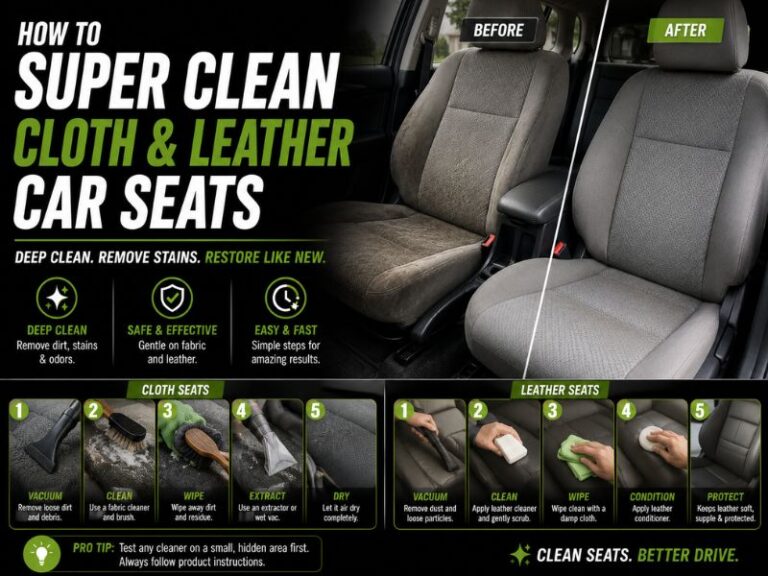
A basic interior service typically costs $50 to $150. It may include vacuuming, dashboard and console cleaning, interior glass, light spot treatment, and mat cleaning.
Deep interior cleaning can cost $150 to $350 or more when it involves shampooing carpets, extracting upholstery, cleaning vents, treating leather, removing heavy pet hair, or addressing odors. Smoke residue, mold-like smells, bodily fluids, and long-set stains may require a separate assessment rather than a standard package.
Full detailing
A full detail combines substantial interior work with a careful exterior cleaning. Many standard packages fall between $150 and $300, although luxury vehicles, large SUVs, and neglected cars can exceed that range.
A package may include washing, drying, wheel and tire cleaning, clay-bar or chemical decontamination, light polishing, vacuuming, upholstery cleaning, interior dressing, and a wax or sealant. Confirm each item because the phrase “full detail” is not a standardized service category.
How Vehicle Condition Changes the Price
The condition of the vehicle is often more important than its age or purchase price. A newer car with spilled coffee, sand, and pet hair may take longer to clean than an older car that has been maintained regularly.
Detailers may add a condition surcharge for excessive trash, thick mud, caked-on insects, tree sap, tar, heavy stains, or large amounts of pet hair. These problems require slower work and sometimes specialized tools, chemicals, extraction, or repeated treatment.
- Light dirt: routine washing and vacuuming are usually enough.
- Moderate buildup: expect extra wheel, trim, upholstery, and spot-cleaning work.
- Heavy contamination: budget for added labor and possible services such as odor treatment or paint decontamination.
- Neglected surfaces: cleaning may reveal scratches, faded clear coat, permanent stains, or damaged upholstery that cleaning cannot repair.
Photos can help a detailer provide a more accurate estimate, but an in-person inspection is more reliable for severe staining or paint damage. A low advertised price may not apply once the business sees the actual condition.
How Vehicle Size and Location Affect the Quote
Compact cars generally cost less because they have less surface area, fewer seats, and smaller carpeted spaces. Crossovers, three-row SUVs, vans, and pickup trucks take longer to wash and vacuum, so a detailer may add $25 to $100 or more.
Regional labor costs also matter. Prices in cities with expensive commercial rent, higher wages, or strong demand are often above national averages. Mobile services can add a travel or convenience charge, especially when the vehicle is outside the provider’s normal service area.
Some shops price by vehicle class, while others use an hourly rate. A clear quote should identify the vehicle category, included services, expected completion time, and any possible charges for excessive soil or additional treatments.
DIY Car Cleaning Costs
Cleaning a car at home can be economical if the vehicle only needs routine maintenance. A starter setup with car shampoo, microfiber towels, a wash mitt, buckets, interior cleaner, glass cleaner, brushes, and a vacuum may cost roughly $50 to $150.
After the initial purchase, a basic exterior wash may consume only a few dollars in soap and water. However, specialized equipment such as a pressure washer, wet-dry vacuum, carpet extractor, dual-action polisher, or steam cleaner can quickly raise the investment.
DIY cleaning saves labor charges, but it requires time and a suitable location. Local water restrictions, apartment rules, runoff concerns, shade, and access to a hose can all affect whether home washing is practical.
When DIY is the better value
Do-it-yourself cleaning makes sense for frequent light maintenance, especially when the owner enjoys the process and can use safe techniques. Regularly removing road salt, bird droppings, tree sap, and food debris can prevent avoidable surface damage.
Use automotive products rather than household dish soap or harsh multipurpose chemicals. Work in the shade on a cool surface, rinse dirt before touching the paint, use separate tools for wheels and body panels, and dry with clean microfiber towels.
When professional cleaning is worth the cost
Professional service is often worthwhile before selling a vehicle, after a long period of neglect, following a major spill, or when pet hair and odors resist ordinary cleaning. It can also be safer for delicate leather, fabric headliners, soft-top roofs, sensitive trim, and expensive paint finishes.
Professional detailing does not guarantee that every stain, odor, scratch, or discoloration will disappear. A reputable provider should explain what is likely to improve and what may be permanent before beginning costly work.
Extra Services That Increase the Cost
Many advertised prices cover cleaning only. Protection, correction, restoration, and specialty treatments are separate services that can substantially increase the bill.
- Pet-hair removal: often adds $25 to $150, depending on the amount and material.
- Carpet or upholstery extraction: commonly adds $50 to $200.
- Odor treatment: may cost $50 to $200, with severe smoke or biological contamination requiring more.
- Clay-bar or paint decontamination: commonly adds $50 to $150.
- Machine polishing: may cost $150 to $600 or more.
- Paint correction: often ranges from $400 to more than $1,500.
- Wax or paint sealant: commonly adds $50 to $200.
- Ceramic coating: may range from $500 to several thousand dollars because preparation is extensive.
- Headlight restoration: often costs $75 to $200.
Paint correction is not the same as washing. It uses abrasive polishing to reduce selected defects, and aggressive correction can reduce clear-coat thickness or expose limitations that cleaning alone cannot solve.
How to Compare Professional Detailing Prices
Start by comparing the work included rather than choosing the lowest number. A $75 service may be appropriate for a lightly dirty sedan, while a $250 service may be the more realistic option for a large vehicle requiring extraction and stain treatment.
- Describe the vehicle’s size and condition accurately.
- Send photos of the interior, wheels, paint, stains, and pet hair if requested.
- Ask whether the quote covers the interior, exterior, or both.
- Confirm whether taxes, travel fees, supplies, and condition charges are included.
- Ask which stains or defects may remain after cleaning.
- Verify the estimated completion time and whether the vehicle must remain onsite.
- Check that the business is comfortable handling the vehicle’s materials and specialty features.
Be cautious of unusually cheap offers that promise paint correction, deep extraction, odor removal, and premium protection in one short appointment. The service may be limited, rushed, or likely to produce inconsistent results.
Safety and Quality Issues to Consider
Excess water can damage electronic controls, seat sensors, speakers, door panels, and delicate headliners. Interior surfaces should be cleaned with controlled moisture, and seats and carpets should be dried thoroughly to reduce lingering odors or mildew-like problems.
Strong chemicals can discolor plastics, weaken coatings, dry leather, or damage aftermarket accessories. Do not allow a cleaner to apply a glossy dressing to steering wheels, pedals, gear selectors, or other surfaces where reduced grip could create a safety problem.
For exterior work, abrasive brushes, dirty towels, and improper pressure-washing technique can scratch paint or force water into seals. A professional should protect convertible tops, charging ports, exposed sensors, cameras, and recently repaired body panels.
If the vehicle has flood exposure, suspected mold, sharp debris, bodily-fluid contamination, or a persistent chemical odor, ordinary detailing may not be the appropriate solution. Those conditions may require specialized remediation and should be disclosed before anyone begins work.
How Often Should a Car Be Cleaned?
There is no single schedule for every driver. A routine exterior wash every few weeks may be reasonable for a vehicle exposed to road salt, coastal air, mud, or frequent highway travel, while a garage-kept car in a mild climate may need less frequent washing.
Interior cleaning should be based on use and contamination rather than a fixed calendar. Vacuuming and wiping high-touch areas regularly helps prevent grit and spills from becoming embedded, while a deeper professional detail once or twice a year may be sufficient for a well-maintained vehicle.
Clean bird droppings, tree sap, bug residue, and spilled drinks promptly. Delaying these contaminants can make removal harder and increase the chance of etching, staining, or odor retention.
Choosing the Right Cleaning Budget
For routine upkeep, plan on $8 to $60 depending on whether the wash is automatic, self-service, or hand performed. For a noticeably dirty vehicle, a basic interior service or standard full detail commonly provides the best balance between cost and visible improvement.
The major limitation is that cleaning cannot reverse every form of damage: permanent stains, worn upholstery, clear-coat failure, deep scratches, and embedded odors may require repair or specialized remediation. Compare itemized quotes, disclose the vehicle’s condition, and choose the least aggressive service that solves the actual problem.