Does Meineke Replace Headlights: What to Know and Why It Matters
Yes, many Meineke locations replace headlight bulbs and may install complete headlight assemblies, but the exact service depends on the vehicle, the repair needed, and the individual shop’s equipment and policies. Meineke centers are independently operated in many markets, so service availability, pricing, and appointment requirements can vary.
A headlight job is not always as simple as removing one bulb and inserting another. Some vehicles have limited access behind the housing, require bumper or wheel-well removal, or use sealed LED and HID assemblies that cannot be repaired with a conventional replacement bulb. A shop may also need to diagnose a fuse, wiring problem, failed ballast, moisture intrusion, or charging-system issue before replacing parts.
This article explains what Meineke may replace, why a quote can differ from the price of a bulb, and what to check before scheduling service. You will also learn when a bulb replacement is appropriate, when the entire housing or electrical system may be involved, how to prepare for the appointment, and which warning signs mean the car should not be driven at night until the problem is addressed.
What Meineke Usually Does for Headlights
At a participating Meineke service center, a technician may replace a burned-out headlight bulb, install a new headlight assembly, inspect the lighting circuit, or adjust the beam if the vehicle allows it. The shop may also help identify whether the problem is caused by the lamp itself or by another electrical component.
Traditional halogen headlights are usually the most straightforward. The technician removes the old bulb, installs a compatible replacement, checks the connector and retaining mechanism, and tests the low-beam and high-beam functions.
Some vehicles use HID or xenon lighting, LED modules, adaptive headlights, or a complete sealed housing. Those systems can involve separate control units, ballasts, daytime-running-light circuits, or programming requirements. A Meineke location may be able to handle the repair, but it may also recommend a dealer or specialty repair facility if the work requires brand-specific diagnostic equipment.
Replacement of the plastic lens or entire headlight housing is a different service from changing a bulb. An assembly can be damaged by a collision, develop internal condensation, lose its mounting points, or become badly cloudy. In those cases, installing a bulb alone will not restore proper illumination.
Why Headlight Replacement Is Not One-Size-Fits-All
The biggest overlooked detail is accessibility. Two vehicles can use similar bulbs but require very different amounts of labor. On one car, the bulb may be reachable from the engine compartment; on another, the technician may need to move the air-intake duct, remove a wheel and inner fender liner, or partially remove the bumper.
That difference affects both the appointment time and the final bill. A quick bulb installation may carry a modest labor charge, while a difficult installation can cost considerably more even when the part itself is inexpensive.
Vehicle lighting technology also changes the answer. A replaceable halogen bulb is generally a component-level repair, while an integrated LED headlight may require replacement of the entire lamp or a specialized module. The correct part must match the vehicle’s year, make, model, trim, and lighting system.
Aftermarket parts create another variable. A less expensive assembly may fit differently, have a different light pattern, or lack the same sealing quality as the original-equipment part. A reputable repair center should confirm compatibility rather than relying only on a general bulb number.
What to Ask Before Scheduling the Service
Because Meineke locations can differ, call the specific center before driving in. Describe the symptom rather than assuming the repair is only a bulb replacement.
- Ask whether the location replaces your vehicle’s headlight bulbs or complete assemblies.
- Provide the year, make, model, and trim level.
- Explain whether the low beam, high beam, daytime running light, or an entire housing is affected.
- Ask whether the shop can diagnose HID, LED, adaptive, or other electronically controlled headlights.
- Request an estimate that separates the part cost, labor, diagnostic fee, and any additional access or calibration work.
- Ask whether the replacement part is original equipment, aftermarket, or customer-supplied.
- Confirm whether an appointment is required and whether the shop can obtain the correct part before the visit.
It is also useful to ask whether the shop replaces bulbs in pairs. Replacing both bulbs is not always mandatory, but bulbs installed at the same time often have similar age and remaining life. A matched pair can provide more consistent brightness, especially when the second bulb is already dim or discolored.
How a Technician Determines the Real Problem
A technician normally begins by confirming the complaint. The inspection may include turning on the low beams, high beams, parking lights, and daytime running lights, then checking whether the failure affects one side or both sides.
If only one bulb is out, the bulb is a likely cause, but it is not the only possibility. The technician may inspect the socket for heat damage, look for corrosion, test voltage at the connector, and check relevant fuses and grounds.
When both headlights fail at the same time, a single burned-out bulb is less likely to explain the problem. The technician may investigate a fuse, relay, body-control module, wiring fault, switch, or charging-system issue. Replacing bulbs without finding that cause could leave the vehicle dark again or fail to correct the problem at all.
Flickering headlights deserve special attention. Flicker can result from a loose connection, failing alternator, weak battery, damaged wiring, or an HID ballast. It can also point to a control-module issue in newer vehicles.
Moisture inside the housing is another important clue. A small amount of temporary fogging can occur when temperature changes, but standing water or recurring heavy condensation may indicate a damaged seal. Water can corrode connectors and shorten the life of bulbs, LEDs, and control modules.
Bulb Replacement Versus Headlight Assembly Replacement
A bulb replacement makes sense when the lamp is a separate, replaceable component and the housing is otherwise intact. The lens should be secure, the mounting tabs should not be broken, and the beam should not be obstructed by severe clouding or internal damage.
An entire headlight assembly may be necessary when the housing is cracked, the lens is badly damaged, the mounting hardware is broken, or the lighting technology is integrated into the assembly. Collision damage can also misalign the lamp even if the bulb still works.
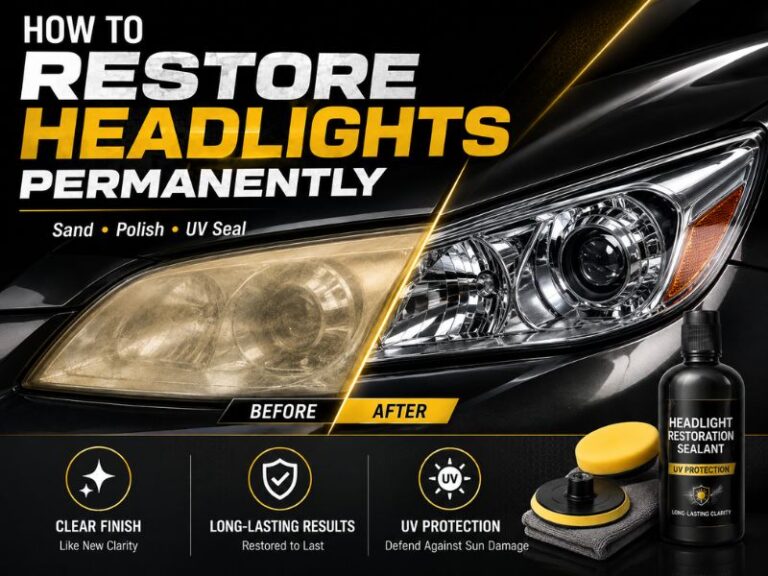
Cloudy outer lenses sometimes can be restored with a professional refinishing process. However, polishing is not a substitute for replacing a housing that is cracked, leaking, internally burned, or structurally damaged. A restored lens may also become cloudy again if its protective coating is not properly applied.
Headlight aiming matters after assembly replacement and sometimes after collision repair. A light that points too low reduces visibility, while one aimed too high can glare into oncoming traffic. The technician should verify the beam pattern according to the vehicle’s design and available adjustment procedure.
What Affects the Cost
There is no single Meineke price for headlight replacement because the cost depends on the vehicle and repair. The most important factors are the type of lighting system, part quality, labor time, access difficulty, and whether diagnosis or aiming is required.
- Bulb type: Halogen bulbs are often less expensive than HID or specialized LED components.
- Part source: Original-equipment and premium assemblies may cost more than basic aftermarket parts.
- Labor access: A crowded engine bay or bumper-removal procedure increases labor time.
- Diagnostic work: Electrical testing may be needed when the cause is not obvious.
- Additional damage: Broken brackets, corrosion, water intrusion, and wiring repairs add to the job.
- Calibration or aiming: Advanced lighting systems may require additional setup after installation.
Ask for a written estimate before approving the work. The estimate should identify what failed and whether the recommendation is for a bulb, socket, ballast, module, complete assembly, or related electrical repair.
If a shop recommends replacing both bulbs, ask why. The explanation may be reasonable if both bulbs are old or if access is difficult, but the decision should be based on condition and consistency rather than an unexplained upsell.
Can You Bring Your Own Headlight Bulb?
Some repair shops will install a customer-supplied bulb, while others may limit or refuse outside parts. Policies can vary by location, and a shop may not provide the same warranty coverage for a part it did not sell.
Before buying a bulb online or at a parts store, verify the exact application. One vehicle may use different bulbs for the left and right sides, low and high beams, or different trim levels. A bulb that appears similar can still have the wrong connector, wattage, beam position, or fit.
Handling also matters. Do not touch the glass of a halogen bulb with bare fingers. Oil from skin can create a hot spot and shorten bulb life; if the glass is touched, clean it according to the bulb manufacturer’s instructions before installation.
For HID or LED systems, avoid treating the component like a basic plug-in bulb. HID systems can operate at high voltage, and integrated LED units may require electronic diagnosis. Those repairs are better handled by a trained technician with the correct procedures and equipment.
Signs the Vehicle Needs Prompt Attention
A single failed headlight should be repaired promptly because nighttime visibility is reduced and the vehicle may be less noticeable to other drivers. Do not assume the high beams are an adequate substitute for a failed low beam; using high beams around other traffic can create glare and an unsafe situation.
Schedule an inspection quickly if the headlights are dim, flickering, changing color, or shutting off intermittently. These symptoms can indicate more than an aging bulb, particularly when they occur on both sides or when other electrical accessories behave unusually.
- One or both headlights do not turn on.
- A headlight works only after tapping the housing or moving the wiring.
- The light repeatedly burns out soon after replacement.
- There is visible water, corrosion, melting, or discoloration.
- The beam points sharply upward, downward, or to one side.
- An instrument-panel warning appears after a lighting failure.
- The vehicle has been in a front-end collision.
If smoke, a burning odor, melted wiring, or an overheating connector is present, turn off the lights when safe and avoid continuing to operate the vehicle until it is inspected. Electrical damage can create a larger failure than the original lighting problem.
What to Expect During the Appointment
The shop may first confirm the failed light and inspect the surrounding components. If the repair is a straightforward bulb replacement and the correct part is available, the work may be completed during the same visit.
More involved jobs may require ordering a part or obtaining approval after diagnosis. If the assembly must be removed, the technician should check the mounting points, connector, seal, and beam position before returning the vehicle.
After service, test the lights in a safe location. Confirm both low beams, high beams, turn signals, parking lights, and daytime running lights when equipped. Look for flicker, warning messages, abnormal color, or a beam that appears noticeably higher or lower than the other side.
Keep the repair invoice and part information. Those records can help if the same symptom returns or if the replacement carries a limited parts or labor warranty.
Can You Replace a Headlight Yourself?
A simple halogen bulb replacement may be within the ability of a careful vehicle owner, provided the owner can access the bulb safely and follow the vehicle’s service instructions. The ignition and lights should be off, the bulb should be installed in the correct orientation, and the light should be tested afterward.
Professional help is the safer choice when access is difficult, the bulb is inside a sealed assembly, the wiring is damaged, or the headlight system uses HID, LED, or adaptive technology. Improper installation can damage the connector, create a poor beam pattern, or expose the person working on the vehicle to electrical hazards.
Do not drive at night with a temporary improvised repair, a loose housing, or a headlight aimed into oncoming traffic. If the vehicle cannot provide dependable forward lighting, arrange repair before normal nighttime driving.
Conclusion: Confirm the Repair Before Visiting
Meineke may replace a headlight bulb or assembly, but the exact service depends on the local center, vehicle design, part availability, and cause of the failure. The major limitation is that a dark headlight is not always a bad bulb; wiring, fuses, control modules, moisture, or a damaged housing may be responsible.
Call the specific Meineke location with the vehicle details and symptoms, request an itemized estimate, and ask whether diagnosis or aiming is included. If the light is flickering, leaking, melted, or intermittently failing, have it professionally inspected rather than replacing parts at random.