Can You Use Mr Clean to Wash Your Car: Full Guide and Key Facts
Yes, you can use some Mr. Clean products to clean limited areas of a car, but most household Mr. Clean cleaners are not the best choice for washing the vehicle’s exterior.
A properly diluted, automotive-specific car wash soap is safer for clear coat, wax, sealants, trim, and the final finish.
The unexpected problem is that a car can look clean immediately after using a household cleaner while its protective finish has been weakened or its surfaces have been left with residue. The issue is not simply whether Mr. Clean removes dirt; it is whether a particular formula is compatible with every material it touches.
Mr. Clean is a product family, not one single chemical formula. Multi-surface sprays, disinfecting cleaners, Magic Eraser products, and other formulas have different ingredients and different intended uses.
This guide explains which situations are relatively low risk, why routine exterior washing calls for a dedicated car soap, how to dilute and apply a cleaner when necessary, and which surfaces or stains require extra caution. By the end, you can decide whether the product in your cabinet belongs near the car, how to avoid paint damage, and when a professional detailing product is the better choice.
Is Mr. Clean Safe for Washing a Car?
For a complete exterior wash, ordinary Mr. Clean household cleaner is generally not the preferred option. It may loosen grime, but a household formula is designed for surfaces such as floors, counters, or other hard materials—not necessarily automotive paint, clear coat, rubber seals, plastic trim, or polished metal.
Automotive car wash soap is formulated to suspend road film and dirt while remaining comparatively gentle on the vehicle’s finish. Many products also provide lubrication, which helps a wash mitt glide over the paint instead of dragging abrasive particles across it.
Using Mr. Clean once in an emergency may not automatically ruin a vehicle. The greater concern is repeated use, incorrect dilution, aggressive scrubbing, or allowing the cleaner to dry in the sun.
Those conditions can strip existing wax or sealant, leave streaks, dull sensitive trim, or create marks that require polishing to remove.
Why Household Cleaner Is Different From Car Wash Soap
Automotive paint is protected by a thin clear coat, but that layer is not indestructible. It can be affected by strong cleaners, solvents, alkalinity, friction, heat, and contaminants trapped in a cloth or sponge.
A household cleaner may contain surfactants that break up grease, fragrances, dyes, preservatives, disinfecting ingredients, or other additives that are unnecessary for routine vehicle washing. The formula may be perfectly suitable for its labeled household surfaces without being tested or optimized for exterior automotive finishes.
Car wash soap also helps control the way loosened dirt behaves in the wash water. A good wash process keeps grit suspended or away from the paint, while a rough sponge and a strong all-purpose cleaner can turn loose sand into fine scratches.
Another issue is surface protection. A cleaner that removes wax or a spray sealant may leave paint looking acceptable but more exposed to ultraviolet light, water spotting, oxidation, and embedded contamination. One wash may produce no visible problem, yet regular use can gradually reduce gloss and protection.
Which Mr. Clean Products Need the Most Caution?
Mr. Clean Multi-Surface or All-Purpose Cleaners
A diluted multi-surface cleaner can sometimes be useful for isolated, non-painted areas such as a dirty plastic step plate or a rubber floor mat, provided the label permits that type of surface. It is a poor substitute for car wash soap on the entire exterior.
Do not assume that “multi-surface” means “safe for every surface.” Painted panels, clear-coated wheels, glossy black trim, aluminum, leather, vinyl, and screens can respond differently to the same product.
Mr. Clean Disinfecting Products
Disinfecting cleaners are especially unsuitable as general car-wash products unless the label specifically identifies the automotive surface and use. Disinfection formulas can contain ingredients that are unnecessarily harsh for paint, upholstery, or interior coatings.
They also require attention to contact time. If a label says the surface must remain visibly wet for a specified period, wiping it away immediately may not achieve the claimed disinfecting result. Conversely, leaving residue on a steering wheel, seat, or dashboard can create an unpleasant or slippery finish.
Mr. Clean Magic Eraser Products
A Magic Eraser is a melamine foam abrasive, not an ordinary soft sponge. It can remove marks because it lightly abrades the surface, which makes it risky for glossy automotive paint, clear plastic, piano-black trim, instrument panels, leather, and clear-coated surfaces.
It may be appropriate for a stubborn mark on a hard, matte interior surface after a careful spot test, but it should not be rubbed across a painted door or used as a general exterior wash tool. Pressure makes the abrasion more aggressive and can leave a dull patch or visible haze.
What Can Happen If You Use It on Car Paint?
The most common immediate result is streaking or a dull-looking finish. This can happen when cleaner dries before rinsing, when too much product is used, or when residue remains in panel gaps and around badges.
Household cleaners may also remove some or all of the vehicle’s wax or paint sealant. That does not usually mean the clear coat has been destroyed, but it can reduce water beading and make the paint less protected from contamination.
More serious damage is usually linked to a combination of factors: concentrated product, hot paint, direct sunlight, long dwell time, repeated use, or scrubbing with a dirty tool. Etching from dried cleaner or water can become visible as spots or rings.
Black plastic and rubber can show whitening, fading, or uneven patches after exposure to an unsuitable cleaner. Chrome-look trim, uncoated metal, and delicate aftermarket finishes may also stain or lose their appearance.
In many cases, the cleaner itself is not the only problem. A household sponge can hold grit, and circular scrubbing can create swirl marks in the clear coat. Correct tools and technique matter as much as the chemical.
When Mr. Clean May Be Reasonable for a Car
There are limited situations in which a Mr. Clean product may be practical. Examples include cleaning a removable rubber mat, wiping a hard plastic interior panel, or treating a small spot on a surface that the product label identifies as compatible.
For exterior paint, use it only when there is a specific reason and no suitable automotive cleaner available. Read the exact bottle label first, because product names and formulas can vary. Never rely on a general assumption that every Mr.
Clean product works the same way.
A small hidden test is essential. Apply the diluted product to an inconspicuous area, rinse thoroughly, dry it with a clean microfiber towel, and inspect for color change, haze, tackiness, streaking, or loss of gloss.
Do not use a test spot as permission to wash the whole vehicle immediately. A cleaner may behave differently on a hot horizontal panel, weathered trim, or a surface with old wax and contamination.
How to Use It With the Lowest Practical Risk
The safest approach is to use a dedicated car wash soap instead. If a Mr. Clean product is necessary for a limited task, follow the product label rather than guessing at a strong concentration.
- Identify the surface. Determine whether it is clear-coated paint, uncoated plastic, rubber, glass, metal, vinyl, or leather.
- Read the label. Check dilution directions, prohibited materials, rinsing instructions, and warnings about painted or delicate surfaces.
- Work in the shade. The panel should be cool to the touch, not hot from sunlight or driving.
- Remove loose grit first. Rinse away sand and heavy dust before wiping, because friction causes avoidable scratches.
- Dilute accurately. More cleaner is not better. Concentrated product raises the chance of residue, streaking, and finish damage.
- Use a clean microfiber towel. Avoid rough sponges, old rags, and anything that may contain trapped grit.
- Clean a small section. Do not let the product dry on the surface, and use light pressure rather than scrubbing.
- Rinse completely. Remove cleaner from seams, emblems, handles, trim, and panel gaps.
- Dry promptly. Use a clean, soft drying towel to reduce water spots and remaining streaks.
- Inspect the finish. If it looks hazy, sticky, discolored, or unusually dry, stop using the product on that material.
Never mix Mr. Clean with bleach, ammonia, acids, vinegar, or another cleaning chemical. Unplanned mixtures can create irritating or dangerous vapors, and there is no cleaning advantage to combining products.
A Safer Exterior Car-Washing Method
For routine washing, choose a pH-balanced car shampoo labeled for automotive paint. Gather a hose or pressure washer used carefully, two buckets if available, a grit guard if available, a dedicated wash mitt, and separate towels for wheels and paint.
Begin by parking in shade and rinsing the vehicle from top to bottom. This removes loose particles before the mitt touches the surface and softens dried deposits.
Wash the roof, glass, hood, upper doors, and other cleaner areas first. Save the lower panels, bumpers, and wheels for later because they usually carry more road film, brake dust, and grit.
Use straight passes instead of vigorous circular scrubbing. Rinse the mitt frequently, and never use the same dirty wheel towel on painted body panels.
Rinse thoroughly and dry without allowing soap or mineral-rich water to evaporate on the finish. If the vehicle has tree sap, tar, bird droppings, or bug residue, use a product made for that contaminant rather than increasing the strength of a household cleaner.
Can You Use Mr. Clean Inside the Car?
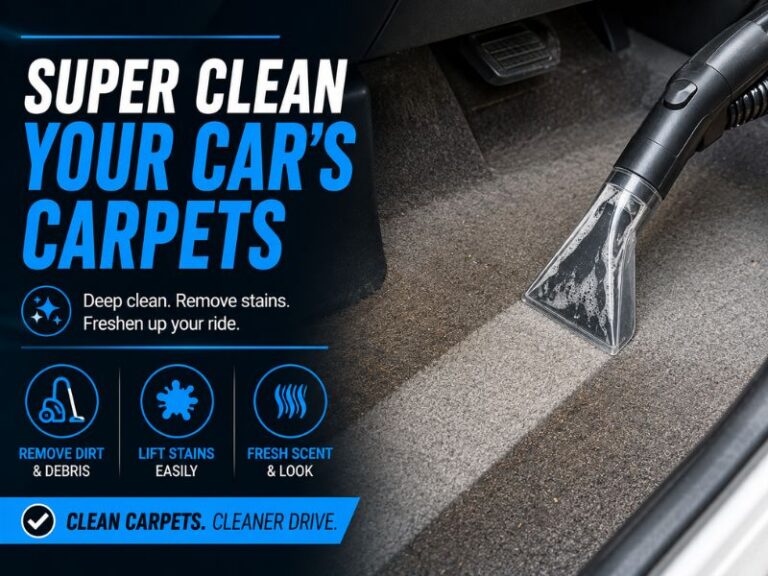
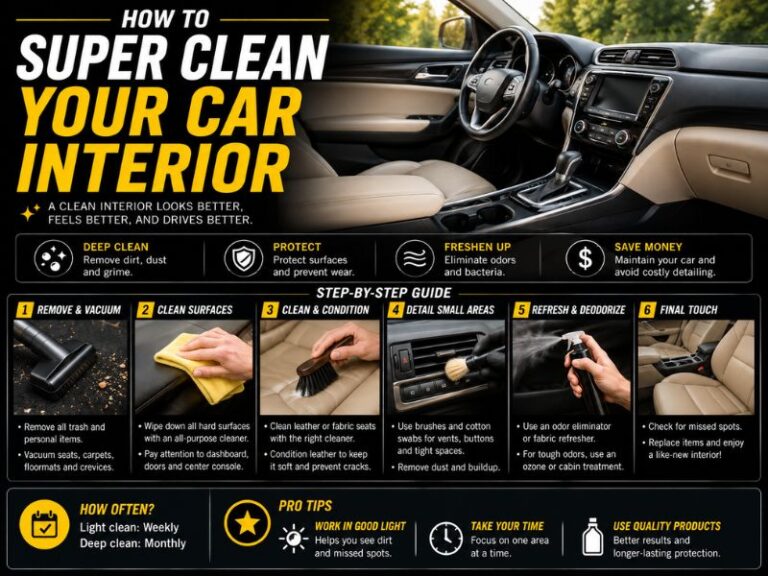
Interior use depends on the material and the exact formula. A diluted cleaner may be acceptable for some hard, nonporous plastic surfaces, but it should not automatically be used on leather, suede, fabric, touchscreens, navigation displays, steering wheels, or coated dashboard materials.
Use a small amount on a towel rather than spraying directly onto the interior. Direct spraying can force liquid into switches, seams, speakers, vents, and electronic controls.
For screens, use the manufacturer’s cleaning instructions and a suitable soft cloth. Avoid abrasive products, including Magic Eraser foam, because even light rubbing can damage an anti-glare or protective coating.
Leather needs a cleaner specifically labeled for automotive leather, followed when appropriate by a compatible conditioner. Household multi-surface products can remove natural oils, alter the sheen, or leave the surface sticky.
After cleaning a steering wheel, pedals, or gear selector, remove all residue and confirm that the surface is not slippery. A product that feels smooth on a countertop can create a safety problem in a hand-contact area.
What to Do If You Already Used Mr. Clean
Do not panic if the product was used once and the paint still looks normal. Rinse the vehicle thoroughly with clean water, wash it with automotive car soap, and dry it using a clean microfiber towel.
Inspect the finish in indirect light. Look for streaks, cloudy patches, roughness, water spots, faded trim, or a change in water behavior. A loss of beading alone may indicate removed protection rather than permanent paint damage.
If residue remains, do not immediately use an abrasive polish or compound. Rewash the area and allow it to dry; aggressive correction can remove clear coat unnecessarily.
For dried chemical spots, etched marks, severe haze, or damaged trim, an experienced detailer can identify whether the problem needs decontamination, polishing, trim treatment, or replacement. Seek professional help sooner if the vehicle has custom paint, matte paint, ceramic coating, vinyl wrap, or a delicate aftermarket finish.
How to Choose the Right Cleaner
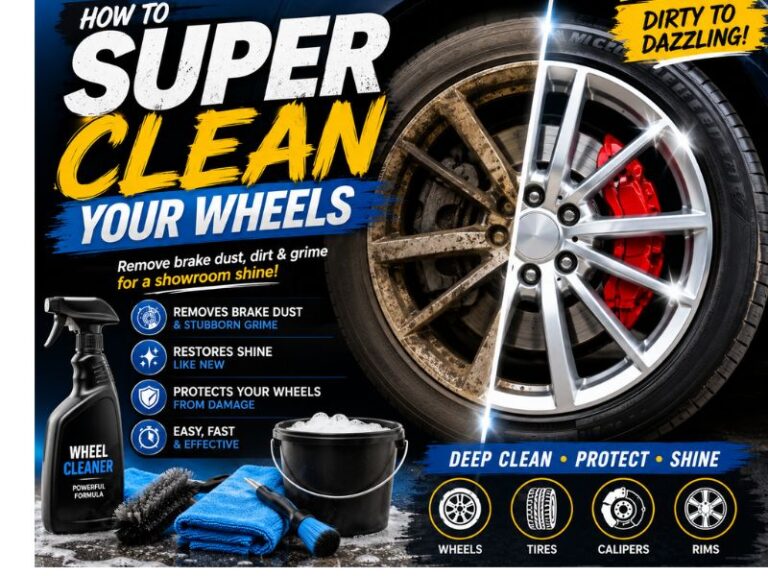
Match the cleaner to both the surface and the contaminant. Car shampoo is for ordinary dirt and road film; glass cleaner is for automotive glass; wheel cleaner is for compatible wheel finishes; and an interior cleaner is for the specific upholstery or plastic being treated.
Check whether the vehicle has a special finish. Matte and satin paint should not receive ordinary waxes or abrasive products, while wraps and ceramic coatings may have their own care requirements.
Product labels are more reliable than broad advice based only on brand names. If the label does not mention the automotive surface, a purpose-made automotive product is the safer choice.
Conclusion: Use Car Soap for Routine Washing
Mr. Clean can be useful for a carefully selected, limited cleaning task, but it should not replace automotive car wash soap for regular exterior washing. The main limitation is formula compatibility: household cleaners and abrasive products may remove protection, leave residue, or damage paint, trim, plastics, and interior coatings.
Use a labeled car shampoo for the vehicle’s exterior, keep abrasive Magic Eraser products away from glossy finishes, and spot-test any household cleaner before applying it to a larger area. If you already see haze, etching, or discoloration, stop experimenting and have a professional detailer assess the surface.