Does Autozone Sell Touch Up Paint for Cars: Explained Clearly
Yes, AutoZone sells touch-up paint for cars, including paint pens, small bottles, and aerosol products for many vehicle colors. Availability depends on the store, the vehicle’s paint code, and whether you shop in person or online.
The small detail that often determines whether the repair looks acceptable is the paint code—not simply the car’s make, model, and color name. Two vehicles described as “black,” “silver,” or “white” can use different formulas, and even the same model may have several paint options in one production year.
AutoZone can be a convenient source for repairing minor paint damage, such as chips, scratches, and exposed spots on a door edge. This article explains what types of touch-up paint the retailer carries, how to find the correct color, when a pen or bottle is suitable, why preparation matters, and when a professional repair is the safer choice. By the end, you can determine whether an AutoZone product is appropriate for your damage and what to check before purchasing.
What Kind of Touch-Up Paint Does AutoZone Sell?
AutoZone commonly carries automotive touch-up products from brands such as Dupli-Color and other aftermarket paint manufacturers. The exact selection changes by location and vehicle, but shoppers may find touch-up paint pens, brush-in bottles, paint-and-primer products, and spray paint intended for larger areas.
Touch-up pens are designed for small chips, narrow scratches, and tiny areas where exposed metal or primer is visible. Many have a fine-point applicator on one end and a small brush or clear-coat applicator on the other, although the design differs by product.
Brush-in bottles work similarly to model paint or nail polish: a small brush applies color directly to the damaged area. They can cover slightly larger spots than a pen, but they require a steady hand because excess paint may leave a raised edge.
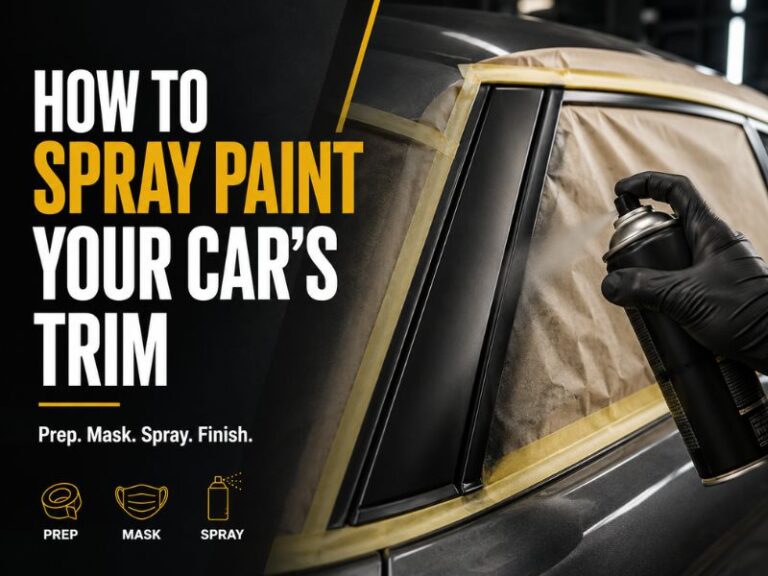
Aerosol touch-up paint is intended for broader repairs, such as a scraped bumper corner or a larger panel section. Spray paint can produce a smoother result than a brush when used correctly, but it also creates more overspray and usually requires masking, surface preparation, several light coats, and a compatible clear coat.
How to Find the Correct Automotive Paint Color
The most reliable method is to locate the vehicle’s factory paint code. This code is usually printed on a manufacturer label, not on the vehicle registration or insurance documents. The label may also show the VIN, trim information, tire details, or manufacturing data.
Common locations include the driver-side doorjamb, inside the glove box, under the hood, in the trunk, beneath the spare-tire cover, or on the vehicle’s body near the radiator support. Location varies by manufacturer and model year, so the owner’s manual or a dealer parts department may help identify the label.
Do not rely only on a marketing color name such as “Arctic White” or “Midnight Blue.” Those names can be similar across manufacturers, while the code identifies the specific factory finish more accurately.
When shopping at AutoZone, enter the vehicle information into the retailer’s vehicle-selection system when available, then compare the listing with the code found on the vehicle. If the product packaging lists a code, verify that it matches rather than assuming a vehicle match is enough.
Some older cars have faded paint, and a factory-matched touch-up product may still look slightly different from the surrounding panel. The new paint may be correct for the original formula while the existing finish has changed from sunlight, weather, washing, oxidation, or previous repairs.
Can AutoZone Match Any Car’s Paint?
AutoZone sells many color-specific touch-up paints, but it does not necessarily have an exact ready-made match for every vehicle, color code, or model year. Store inventory can be limited, and a product shown online may need to be ordered or may not be available at a particular location.
Aftermarket paint makers also differ in how many factory colors they support. A common color may be easy to find, while an unusual shade, older vehicle color, or specialty finish may require a dealership, automotive paint supplier, or professional mixing service.
Some vehicles use finishes that are more difficult to duplicate with a simple touch-up product. Tri-coat colors, pearl finishes, candy colors, matte finishes, and certain metallic paints may require multiple layers or a specialized process to reproduce their appearance.
A color match can also be technically correct but visually imperfect if the repair is applied over damaged primer, rust, or a panel with a different level of gloss. The paint itself is only one part of the final result.
Which AutoZone Product Is Best for a Small Scratch?
A paint pen is usually the most practical option for a narrow scratch or a few small chips. It limits the amount of paint applied and is easier to control than an aerosol can, especially on a door edge, hood edge, mirror housing, or small section of a bumper.
Use a brush-in bottle when the damaged spot is irregular or slightly larger than a pen tip. The brush can fill a small shallow area, but applying too much at once may cause runs, ridges, or a visible blob.
Spray paint is generally better suited to damage that extends across a larger section. It is not automatically the best choice simply because it can cover more area; an aerosol repair can look worse than the original scratch if the surrounding paint is not cleaned, sanded, masked, and blended properly.
Before buying, check whether the product includes color only or also contains primer and clear coat. A color coat may need a separate clear protective layer to restore gloss and improve resistance to moisture and normal washing.
How to Apply Touch-Up Paint Correctly
Touch-up paint works best when the damaged area is clean, dry, and free of loose material. A rushed application can trap dirt under the paint or prevent it from bonding to the surface.
- Wash the area. Remove road film, wax, grease, and loose dirt with automotive soap and water. Dry it completely with a clean microfiber towel.
- Inspect the damage. Determine whether the scratch is only in the clear coat, reaches the color layer, exposes primer, or has exposed metal. Deep damage needs more preparation than a superficial mark.
- Remove loose edges. If paint is lifting, gently clean away unstable flakes. Do not enlarge the repair unnecessarily.
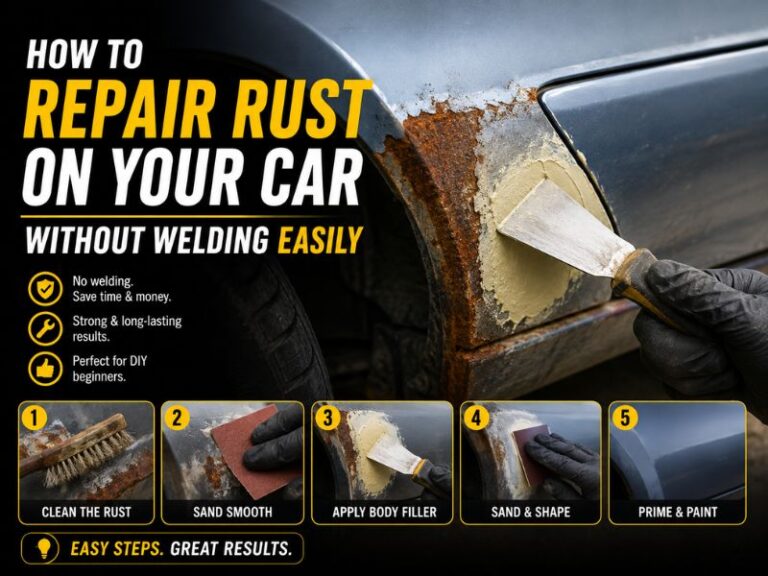
- Address rust. If bare metal has begun to rust, the corrosion must be removed and treated before color is applied. Painting over active rust can allow the problem to continue underneath.
- Test the color. Apply a small amount to an inconspicuous area or a suitable test surface. Let it dry before judging the shade and gloss.
- Apply thin coats. Use a small amount rather than trying to fill the entire depression in one pass. Allow the recommended drying time between coats.
- Add clear coat when appropriate. Apply it only after the color coat has dried according to the product directions, and avoid creating a thick ridge around the repair.
For a pen, shake the container as directed and activate the applicator according to the package instructions. Touch the tip to the chip instead of dragging it across a large section, because dragging can spread paint outside the damaged area.
For brush-in paint, wipe excess product from the brush before touching the vehicle. Several thin applications are normally easier to control than one heavy coat, particularly on vertical panels.
For aerosol paint, use outdoor ventilation or an appropriate well-ventilated workspace, protect nearby surfaces from overspray, and follow the label’s safety instructions. Avoid spraying in strong wind, extreme heat, or conditions that can cause dust and uneven drying.
Does Touch-Up Paint Hide Scratches Completely?
Touch-up paint can make minor damage much less noticeable, but it may not make the panel look factory-new. A deep scratch creates a change in surface height, and paint alone cannot always restore the original contour.
If the scratch catches a fingernail, reaches primer, or exposes metal, it likely needs more than a single color application. Primer may be necessary, followed by color and clear coat. Even then, a close inspection may reveal the repair.
Some shallow marks are actually transfer from another object rather than missing paint. In that situation, touch-up paint may be unnecessary and could make the area more visible. Cleaning and a suitable automotive polishing process may remove transferred material if the underlying finish remains intact.
Paint fading is another limitation. A new color layer may be slightly brighter or darker than the surrounding finish, particularly on a vehicle that spends much of its time outdoors. Blending can reduce the contrast, but blending is more demanding than filling a small isolated chip.
What to Check Before Buying at AutoZone
Start with the vehicle’s year, make, model, trim when relevant, and paint code. Confirm that the product is intended for the vehicle’s exterior finish and that its color description or code matches the information on the vehicle.
Then consider the size and location of the damage. A pen may be ideal for several rock chips, while a bottle may be more useful for a small scraped area. A larger repair may require aerosol paint, masking supplies, primer, clear coat, sanding materials, and more skill than the original purchase suggests.
Check the product label for drying times, surface restrictions, temperature guidance, and whether it requires a separate clear coat. Products that look similar on a shelf may have different application instructions or intended uses.
- Verify the factory paint code rather than choosing by color name alone.
- Check whether the color is currently stocked at the selected AutoZone store.
- Confirm whether the product is paint, primer, clear coat, or a combination.
- Inspect the applicator type and compare it with the size of the damage.
- Look for warnings about ventilation, flammability, and protective equipment.
- Buy only the amount and type of product needed for the repair.
Inventory can differ from one AutoZone location to another. Calling the store before driving there can save time, while online availability may show whether a product can be ordered or picked up.
When an AutoZone Touch-Up Product Is Not Enough
A professional body shop is usually the better option when the damage covers a large panel, crosses multiple body lines, or includes dents, cracking, peeling paint, or significant rust. These conditions require surface repair before color can be applied.
Professional help is also sensible for expensive vehicles, unusual finishes, visible horizontal surfaces, or repairs located in the center of a prominent panel. Matching color, metallic orientation, gloss, and blending technique can be difficult with a consumer applicator.
Do not use touch-up paint to conceal structural damage, sharp metal, or a damaged bumper that may no longer be secure. The paint protects appearance and can provide limited coverage, but it does not restore a panel’s strength or repair a collision-related safety problem.
If the damaged area exposes metal, address it promptly. Moisture can lead to corrosion, and corrosion can spread beneath surrounding paint. A small chip is easier and less expensive to manage than a repair that has progressed into bubbling or flaking.
Safety and Storage Considerations
Automotive touch-up paints and aerosol products may contain flammable solvents and fumes. Follow the label instructions, keep the product away from flames and ignition sources, and use suitable ventilation rather than applying it in an enclosed room.
Wear the protective equipment specified on the package, keep the product away from children and pets, and avoid contact with skin and eyes. Never assume that a small container is harmless simply because the repair is small.
Close the container tightly after use and store it as directed. Dispose of leftover paint, contaminated cloths, and aerosol cans according to local household hazardous-waste guidance instead of pouring liquid paint down a drain.
AutoZone Touch-Up Paint: Practical Takeaway
AutoZone does sell touch-up paint for many cars, but the useful answer depends on finding the correct factory paint code and choosing an applicator suited to the damage. A paint pen or small bottle can be effective for minor chips and narrow scratches, while larger, deeper, rusty, or highly visible repairs may need primer, clear coat, blending, or professional bodywork.
The main limitation is that an aftermarket product is not guaranteed to look identical on every vehicle, especially when the original finish has faded or uses a complex pearl, metallic, or tri-coat formula. Check the code, confirm local availability, test the color, follow the label instructions, and repair exposed metal promptly.