What Is an EVAP Purge Valve? How It Works, Location, and Purpose
The EVAP purge valve is a small but important emissions-control component that manages fuel vapors stored in a vehicle’s evaporative emissions system. Instead of allowing gasoline vapors from the fuel tank to escape into the atmosphere, the EVAP system captures those vapors and later sends them into the engine to be burned.
If you are researching what is an EVAP purge valve, you may also see names such as purge solenoid, canister purge valve, EVAP purge solenoid valve, or vapor canister purge valve. These terms usually refer to the same basic component.
The purge valve acts like an electronically controlled gate between the charcoal canister and the engine’s intake system. When operating conditions are right, the engine control module opens the valve and allows stored fuel vapors to flow into the engine. When purging is not appropriate, the valve stays closed or is commanded closed.
Although the component is relatively small, a malfunction can cause rough idle, difficult starting after refueling, emissions-related trouble codes, poor EVAP system operation, or a Check Engine light.
This guide covers what the EVAP purge valve is, what it does, how it works, where it is usually located, how it relates to other EVAP components, and how a purge valve differs from an EVAP bypass or vent valve. It also provides short overviews of purge valve cost, failure symptoms, testing, and replacement.
What Is an EVAP Purge Valve?
An EVAP purge valve is an electronically controlled valve that regulates the flow of gasoline vapors from the vehicle’s EVAP charcoal canister into the engine’s intake system.
Its purpose is to allow the engine to consume stored fuel vapors rather than releasing them into the atmosphere.
Modern gasoline vehicles produce fuel vapor naturally because gasoline evaporates easily. Even when the vehicle is parked, temperature changes can cause fuel inside the tank to release vapor.
The evaporative emission control system, usually shortened to EVAP system, captures those vapors. The charcoal canister temporarily stores them until the engine is ready to burn them.
The purge valve controls when that stored vapor leaves the canister.
It is usually controlled by the engine control module (ECM) or powertrain control module (PCM).
When the engine is running under suitable conditions, the computer commands the purge valve to open. Engine vacuum then helps pull fuel vapor from the charcoal canister into the intake manifold, where the vapor mixes with incoming air and is burned during normal combustion.
When purging is not desired, the valve closes and prevents uncontrolled vapor flow.
That simple opening-and-closing function is central to how the EVAP system operates.
What Does an EVAP Purge Valve Do?
The EVAP purge valve controls when and how much stored fuel vapor enters the engine.
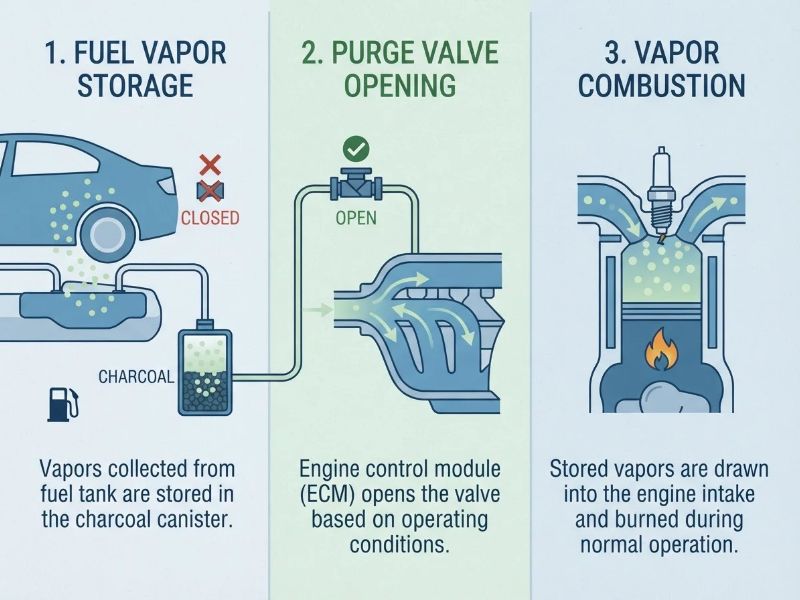
Without controlled purging, fuel vapor could either remain trapped in the charcoal canister indefinitely or enter the engine at the wrong time and disturb the air-fuel mixture.
The purge valve helps prevent both problems.
Its main jobs are to:
- Control vapor flow from the charcoal canister
- Prevent fuel vapor from entering the intake at inappropriate times
- Allow stored hydrocarbons to be burned by the engine
- Help the EVAP system reduce evaporative emissions
- Help the vehicle computer perform certain EVAP leak checks
- Protect normal engine operation from uncontrolled vapor flow
The valve does not pump fuel, regulate liquid gasoline pressure, or replace the fuel injectors.
It deals primarily with fuel vapor, not liquid fuel.
What Happens When the Purge Valve Opens?
When the PCM determines that conditions are suitable, it energizes or pulses the purge solenoid.
The valve opens partially or fully, depending on the design and commanded duty cycle.
Vacuum in the intake system pulls vapors through the EVAP lines.
The general vapor path is:
Fuel tank → charcoal canister → purge valve → intake manifold → engine
The engine then burns the vapor along with the normal air-fuel mixture.
What Happens When the Purge Valve Closes?
When the valve is closed, it blocks vapor flow between the charcoal canister and engine intake.
The EVAP system can continue storing fuel vapor in the canister until the PCM commands another purge event.
Closing the valve is particularly important during situations where extra vapor could interfere with engine operation, such as certain starting or idle conditions.
Why Does a Vehicle Need an EVAP Purge Valve?
Gasoline is volatile, meaning it evaporates readily.
A fuel tank therefore contains more than liquid gasoline. It also contains a mixture of air and hydrocarbon vapor.
Older vehicles could allow more of these vapors to escape directly into the atmosphere. Modern emissions regulations require vehicles to control those evaporative emissions.
The EVAP system captures them rather than wasting them.
The purge valve allows the vehicle to reuse those vapors by feeding them into the combustion process.
This provides two main benefits.
Reduced Hydrocarbon Emissions
Fuel vapors contain hydrocarbons that contribute to air pollution.
The EVAP system stores and burns those hydrocarbons instead of allowing them to escape directly.
Controlled Vapor Management
The purge valve lets the PCM decide when vapor should enter the engine.
That matters because introducing too much vapor at the wrong time can effectively act like an uncontrolled source of additional fuel.
A properly operating purge valve therefore supports both emissions control and stable engine operation.
How Does an EVAP Purge Valve Work?
To understand how does an EVAP purge valve work, it helps to look at the entire vapor-management process.
The purge valve is only one part of a larger system.
Step 1: Fuel Vapor Forms in the Tank
Gasoline in the fuel tank naturally evaporates.
Heat, movement, and pressure changes can increase the amount of vapor inside the tank.
The tank is designed so these vapors are routed into the EVAP system instead of being vented freely into the atmosphere.
Step 2: The Charcoal Canister Stores the Vapor
The vapor travels through EVAP lines to the activated-charcoal canister.
Activated charcoal has a large surface area that can temporarily adsorb hydrocarbons.
In simple terms, the charcoal holds onto the fuel vapor until the engine is ready to use it.
Step 3: The PCM Decides When to Purge
The engine computer looks at operating conditions before commanding purge flow.
Depending on vehicle design, it may consider factors such as:
- Engine temperature
- Engine load
- Engine speed
- Throttle position
- Fuel trim
- Vehicle speed
- Fuel tank pressure
- Time since startup
The exact strategy varies by manufacturer and vehicle.
Step 4: The Purge Solenoid Opens
When conditions are appropriate, the PCM sends an electrical command to the EVAP purge solenoid.
On many vehicles, the computer does not simply switch the valve fully on or off. Instead, it uses pulse-width modulation, rapidly cycling the solenoid to control the amount of vapor flow.
This allows much finer control over how much vapor enters the engine.
Step 5: Engine Vacuum Pulls Vapor Forward
When the purge valve opens, intake vacuum draws vapor from the charcoal canister toward the engine.
Fresh air may enter the EVAP system through the vent side of the canister so the stored vapor can be swept out of the charcoal.
Step 6: Fuel Vapor Enters the Intake
The vapor passes through the purge line and enters the intake system.
From there, it mixes with intake air and goes into the combustion chambers.
Step 7: The Engine Burns the Vapor
The hydrocarbons are burned during normal combustion.
The vehicle has now disposed of the captured fuel vapor without intentionally releasing it into the atmosphere.
Is an EVAP Purge Valve Normally Open or Closed?
Many automotive purge solenoids are normally closed when not energized, but this should not be treated as a universal rule for every vehicle.
A normally closed design prevents uncontrolled intake vacuum from drawing vapors through the canister whenever the PCM is not commanding purge.
When electrical power is applied, the internal solenoid moves a plunger or valve element and opens the vapor path.
Some systems use different mechanical strategies, so service information for the specific vehicle should always take priority when diagnosing operation.
This distinction matters during testing. A technician may check whether a supposedly closed purge valve leaks vacuum when it should be sealed.
What Is an EVAP Purge Solenoid Valve?
An EVAP purge solenoid valve is generally another name for the EVAP purge valve.
The word “solenoid” describes the electromagnetic mechanism used to operate the valve.
Inside a typical purge solenoid is:
- Electrical coil
- Plunger or armature
- Spring
- Valve seat
- Vapor passages
- Electrical connector
- Hose or quick-connect ports
When current flows through the coil, it produces a magnetic field.
That magnetic field moves the plunger and changes the valve position.
When electrical current is removed, the spring returns the mechanism to its default position.
Because the PCM controls this electrical signal, it can regulate purge operation very precisely.
Purge Valve vs. Purge Solenoid
In normal automotive conversation, these terms are usually interchangeable:
- EVAP purge valve
- Purge solenoid
- Purge solenoid valve
- Canister purge valve
- Canister purge solenoid
- Vapor canister purge valve
A parts catalog may use one term while a repair manual uses another.
The important point is the component’s function: it controls vapor flow from the EVAP canister toward the engine.
Is the Purge Valve Part of the EVAP System?
Yes. The purge valve is a key part of the EVAP system.
The EVAP system typically includes several components working together.
These may include:
- Fuel tank
- Fuel filler neck and cap or capless sealing system
- Vapor lines
- Charcoal canister
- Purge valve
- Vent valve
- Fuel tank pressure sensor
- Leak-detection equipment on some vehicles
- Related hoses, seals, and connectors
The exact arrangement varies.
What Role Does the Purge Valve Play?
The charcoal canister stores vapor.
The purge valve controls vapor leaving the canister toward the engine.
The vent side of the system manages outside air entering or leaving the EVAP circuit and may close during self-testing.
The pressure sensor allows the vehicle computer to monitor pressure or vacuum changes in the sealed system.
Each part has a different job.
The purge valve therefore should not be viewed as the entire EVAP system. It is the metering valve on the engine side of the vapor circuit.
Main Components of an EVAP System
Understanding the surrounding components makes the purge valve easier to understand.
Fuel Tank
The fuel tank stores liquid gasoline and inevitably contains fuel vapor.
Modern tanks are designed to control where that vapor goes.
Charcoal Canister
The charcoal canister, also called a vapor canister, traps gasoline vapor using activated carbon.
It acts as temporary storage.
The canister is often located toward the rear of the vehicle near the fuel tank, although location varies.
EVAP Purge Valve
The purge valve controls vapor flow from the canister to the engine.
It is commonly located closer to the engine because it connects with the intake system.
EVAP Vent Valve
The vent valve controls airflow between the EVAP system and outside air.
During normal purging, filtered air may enter through the vent side.
During some EVAP leak tests, the PCM closes the vent valve so the system can be sealed.
Fuel Tank Pressure Sensor
The fuel tank pressure sensor allows the PCM to monitor pressure or vacuum inside the EVAP system.
The computer can use this information during emissions self-tests.
Vapor Lines and Hoses
Special vapor lines connect the tank, canister, purge valve, vent components, and intake system.
A split, loose, or disconnected EVAP hose can cause a leak-related diagnostic code even when the purge valve is functioning normally.
Where Is the EVAP Purge Valve Located?
If you are wondering where is the EVAP purge valve located, there is no single universal position.
On many vehicles, the purge valve is located in the engine compartment near the intake manifold, throttle body, or upper portion of the engine.
That location makes sense because the valve must route vapor into the engine intake.
However, some manufacturers mount the valve:
- Near the firewall
- On the intake manifold
- Beside the throttle body
- On an engine bracket
- Near the air intake
- Closer to the charcoal canister
- Under the vehicle on some designs
The specific layout depends on the make, model, engine, and model year.
How to Identify an EVAP Purge Valve
A purge valve is usually a relatively small plastic or metal-and-plastic component with:
- An electrical connector
- Two vapor ports
- One hose leading toward the intake
- Another line leading toward the EVAP canister
It may be clipped or bolted to a bracket.
Some designs integrate the valve with additional EVAP plumbing or an assembly.
Is the Purge Valve Near the Gas Tank?
Sometimes, but often it is not.
People frequently confuse the purge valve with the EVAP vent valve, which is more commonly located near the charcoal canister and fuel tank.
A useful general rule is:
Purge valve → often closer to the engine
Vent valve → often closer to the charcoal canister/fuel tank
This is only a general pattern, not a guarantee.
Where Is the Charcoal Canister Located?
The charcoal canister is often found underneath the vehicle toward the rear.
It may be:
- Beside the fuel tank
- Above the rear suspension
- Near the spare-tire area
- Behind an underbody shield
- Inside a protective housing
Some older vehicles may have the canister in the engine compartment.
Because the purge valve and charcoal canister can be separated by a long vapor line, locating the canister does not necessarily locate the purge valve.
How Does the PCM Control the EVAP Purge Valve?
The PCM controls purge flow based on its programmed emissions strategy.
On many systems, it uses a duty-cycle command rather than simply opening the valve completely.
For example, a low purge command might open the valve only intermittently.
As conditions change, the PCM can increase the duty cycle and allow more vapor into the engine.
The PCM may also monitor oxygen-sensor data, fuel trims, intake airflow, tank pressure, and other inputs to evaluate the effect of purge flow.
This controlled approach prevents the EVAP system from suddenly introducing a large amount of fuel vapor and upsetting combustion.
When Does the EVAP Purge Valve Open?
The exact strategy varies, but purge commonly occurs after the engine has started and reached appropriate operating conditions.
The PCM may delay or limit purging during:
- Cold startup
- Certain idle conditions
- Heavy acceleration
- Other operating states where extra vapor could interfere with combustion
Once conditions are suitable, purge flow can begin gradually.
Modern engine management systems continuously adjust how much vapor is allowed into the intake.
This is why a properly functioning purge valve is more sophisticated than a simple manually operated on/off valve.
Does the Purge Valve Open at Idle?
It can, depending on the vehicle and operating conditions.
Some vehicles command a limited amount of purge at idle after the engine is warm. Others may reduce or suspend purge under certain idle conditions.
The important point is that the PCM controls the valve according to its calibration.
You should not assume a purge valve is faulty merely because it is being commanded at idle.
Diagnostic scan-tool data is usually needed to understand whether the commanded behavior matches the vehicle’s strategy.
What Happens to Fuel Vapor Before the Purge Valve Opens?
Before purging, the activated charcoal inside the EVAP canister stores the hydrocarbons.
The canister is not meant to hold unlimited vapor permanently.
It needs periodic purging so it can continue absorbing new vapor from the fuel tank.
When fresh air moves through the canister during purge operation, the trapped hydrocarbons are released from the charcoal and carried toward the engine.
This process is sometimes described as regenerating or cleaning the canister.
What Happens If the Purge Valve Stays Closed?
If the purge valve never opens, stored vapor may not be removed from the charcoal canister as intended.
Depending on the vehicle and failure, this can lead to:
- EVAP diagnostic trouble codes
- Check Engine light
- Failure of EVAP readiness monitoring
- Canister becoming overly saturated
- Increased emissions
- Abnormal tank-pressure behavior
Engine drivability may remain relatively normal in some cases because the valve is not allowing unwanted air or vapor into the intake.
That means an EVAP problem can exist even when the vehicle seems to run normally.
What Happens If the Purge Valve Is Stuck Open?
A stuck-open purge valve can be more noticeable from a drivability standpoint.
If the valve leaks when it should be closed, engine vacuum may continuously pull vapors or air through the EVAP system.
Possible effects include:
- Rough idle
- Hard starting
- Extended cranking
- Difficult starting after refueling
- Lean or rich mixture behavior depending on conditions
- Fuel-trim changes
- Check Engine light
- EVAP-related trouble codes
A stuck-open valve is particularly associated with some vehicles that are difficult to restart immediately after filling the fuel tank.
However, these symptoms are not unique to the purge valve, so diagnosis is still necessary.
Why Can a Bad Purge Valve Cause Hard Starting After Refueling?
After refueling, a large amount of fuel vapor may be present in the EVAP system.
If the purge valve is stuck open, those vapors can be pulled into the intake when the engine is being started.
The result can be an overly rich mixture in certain situations.
The engine may:
- Crank longer than normal
- Start and immediately stumble
- Require another starting attempt
- Idle roughly for a short time
This pattern can be a useful diagnostic clue, but it should not be considered absolute proof of a bad purge valve.
Purge Valve vs. EVAP Vent Valve
The purge valve and vent valve are both EVAP components, but they do different jobs.
| Component | Main Function | Typical Location |
| Purge valve | Controls vapor flow toward engine | Often engine compartment |
| Vent valve | Controls fresh-air/vent side of EVAP system | Often near canister/fuel tank |
During normal purge operation, the purge valve allows vapor toward the engine while the vent side allows replacement air into the canister.
During certain leak tests, the PCM may close the vent valve so the EVAP system can be sealed.
Confusing these two components is common because both are electronically controlled valves connected to vapor lines.
Is the EVAP Bypass Valve the Same as Purge Valve?
Generally, no. An EVAP bypass valve is not the same as the purge valve.
However, terminology varies significantly between manufacturers, and this is where confusion often starts.
A purge valve specifically regulates vapor flow between the EVAP canister and the engine intake.
A component described as an EVAP bypass valve may instead control a passage within the canister system, redirect vapor or airflow, isolate part of the EVAP system during self-testing, or work with the vent and leak-detection system.
Its exact purpose depends on the manufacturer.
Why Are the Names Confusing?
Different automakers use terms such as:
- Bypass solenoid
- Canister closed valve
- Switching valve
- Vent shut valve
- Vapor switching valve
- Leak-detection pump valve
- Canister vent valve
Some of these components may perform related EVAP functions but are not necessarily purge valves.
How Can You Tell the Difference?
Instead of relying only on the part name, look at:
- Where the valve is located
- Which hoses connect to it
- What the wiring diagram calls it
- How the manufacturer describes its function
If the valve meters vapor from the charcoal canister into the intake manifold, it is functioning as the purge control valve.
If it controls venting, bypasses part of the canister, or seals the system for testing, it serves a different EVAP role.
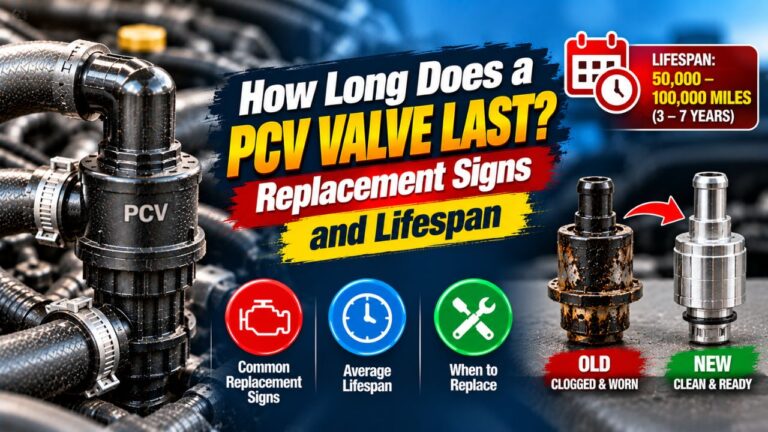
Purge Valve vs. PCV Valve
Another component sometimes confused with the EVAP purge valve is the PCV valve.
PCV stands for positive crankcase ventilation.
The PCV system handles gases inside the engine crankcase.
The EVAP system handles fuel vapor originating primarily from the fuel tank.
| Valve | System | Handles |
| EVAP purge valve | EVAP system | Fuel tank vapor |
| PCV valve | Crankcase ventilation | Blow-by gases |
Both may connect to intake vacuum, but they solve completely different emissions problems.
Purge Valve vs. EGR Valve
The EGR valve is also different.
EGR stands for exhaust gas recirculation.
An EGR system routes a controlled amount of exhaust gas back into the engine to help manage combustion temperatures and emissions.
The purge valve deals with fuel vapor, not exhaust gases.
These valves should never be treated as interchangeable.
Is the EVAP Purge Valve Important for Engine Performance?
The purge valve is primarily an emissions component, but because it connects to the intake system, a malfunction can affect how the engine runs.
A valve leaking vacuum may act similarly to an unmetered air leak.
A valve allowing excessive vapor into the intake can affect the air-fuel mixture.
The PCM may compensate using fuel trims, but if the problem is severe enough, drivability symptoms can appear.
A valve stuck closed, on the other hand, may produce fewer obvious drivability symptoms while still causing EVAP-monitoring problems.
Can a Purge Valve Cause a Check Engine Light?
Yes.
The PCM monitors EVAP system behavior and can illuminate the Check Engine light when expected pressure, vacuum, purge flow, or electrical behavior is not detected.
Depending on the vehicle, EVAP-related diagnostic trouble codes may involve:
- Incorrect purge flow
- Excessive purge flow
- Insufficient purge flow
- Electrical circuit faults
- Small or large EVAP leaks
- Abnormal tank pressure
A trouble code does not automatically mean the purge valve itself must be replaced.
Loose fuel caps, split hoses, vent-valve faults, wiring problems, pressure-sensor faults, and other EVAP failures can produce similar codes.
Can the Purge Valve Cause a Vacuum Leak?
Yes, if the purge valve fails to seal when it should be closed.
Because one side of the valve may connect directly to engine vacuum, a leaking valve can create an unintended airflow path.
This can contribute to:
- Rough idle
- Fuel-trim changes
- Lean-running symptoms
- Starting problems
However, diagnosing a vacuum leak should include the surrounding hoses and connections as well as the valve.
A cracked purge hose can produce similar symptoms.
Can the Purge Valve Affect Fuel Economy?
A faulty purge valve can potentially affect fuel economy, particularly if it changes the engine’s air-fuel mixture or causes persistent fuel-trim corrections.
However, a dramatic decrease in gas mileage should not automatically be blamed on the purge valve.
Many other factors influence fuel economy, including:
- Tire pressure
- Driving conditions
- Engine temperature
- Oxygen sensors
- Mass airflow measurement
- Fuel injectors
- Ignition problems
- Brake drag
Treat fuel economy as a possible supporting symptom, not a standalone diagnosis.
Does an EVAP Purge Valve Need Maintenance?
The purge valve generally does not have a routine service interval.
It is normally replaced only if testing confirms that it is leaking, sticking, electrically faulty, or otherwise not operating correctly.
Routine EVAP maintenance is mostly indirect.
Keeping the fuel system properly sealed and addressing damaged hoses or warning lights promptly can help prevent related problems.
Avoid repeatedly topping off the tank after the fuel pump nozzle automatically clicks off. Overfilling can allow liquid fuel to enter areas of the EVAP system that are primarily designed to manage vapor.
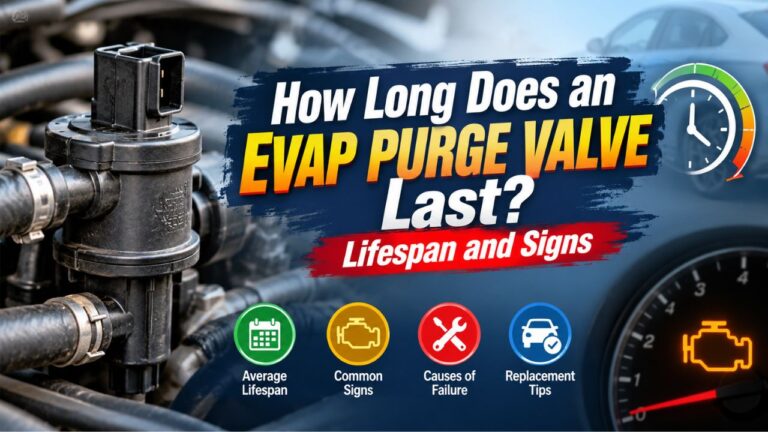
How Long Does an EVAP Purge Valve Last?
There is no universal replacement interval.
A purge valve may last many years, and some vehicles never need one replaced.
Failure can be influenced by:
- Heat exposure
- Internal wear
- Electrical failure
- Contamination
- Fuel-vapor exposure
- Vehicle design
Because there is no fixed lifespan, replacement should generally be based on diagnosis rather than mileage alone.
Can You Drive With a Bad EVAP Purge Valve?
A vehicle with a faulty purge valve may still run, particularly if the problem is limited to emissions control.
However, it should not simply be ignored.
A stuck-open valve may cause:
- Hard starting
- Rough idle
- Stalling
- Mixture problems
A malfunction can also prevent the vehicle from completing emissions readiness checks or passing an emissions inspection where required.
If the Check Engine light is flashing rather than steadily illuminated, that usually indicates a more urgent engine problem and should not be treated as a routine EVAP issue.
How Much Is an EVAP Purge Valve?
An EVAP purge valve is generally a relatively small emissions component, but the total repair cost depends heavily on the vehicle.
The part itself may range from relatively inexpensive aftermarket valves to more costly OEM assemblies, especially if the purge valve is integrated with hoses, brackets, sensors, or another EVAP component.
Labor can be minimal when the valve is easily accessible near the top of the engine. On vehicles where it is buried under intake components or packaged into a larger assembly, replacement can cost considerably more.
For an accurate price, check the exact year, make, model, engine, and whether the estimate includes diagnosis and labor.
Symptoms of a Bad EVAP Purge Valve
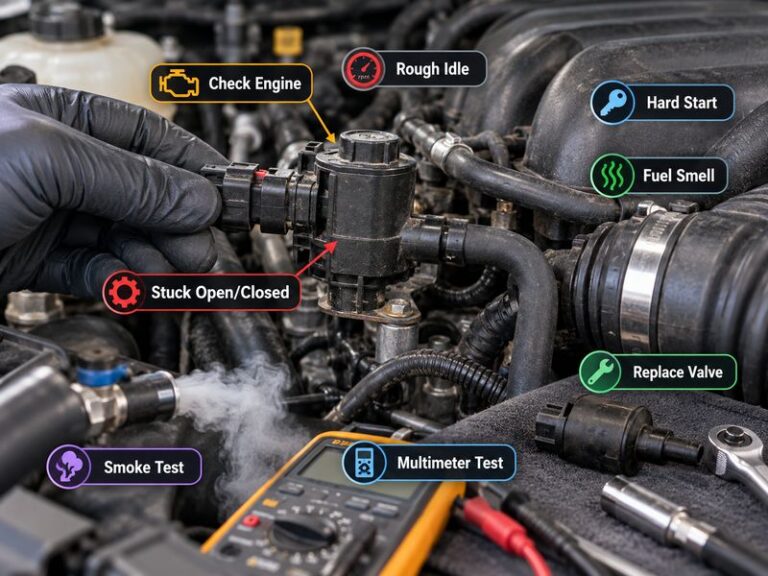
Common symptoms of a bad EVAP purge valve can include a Check Engine light, rough idle, difficult starting, longer cranking, or problems restarting immediately after refueling.
A valve stuck open may allow vapor or unwanted airflow into the intake when the PCM is not requesting it. A valve stuck closed may interfere with normal EVAP purging without creating obvious drivability problems.
Other possible signs include unusual fuel trims and EVAP-related diagnostic codes.
Because similar symptoms can come from cracked EVAP hoses, vent valves, vacuum leaks, fuel-system problems, or electrical faults, symptoms alone should not be used to condemn the purge valve.
How to Test EVAP Purge Valve
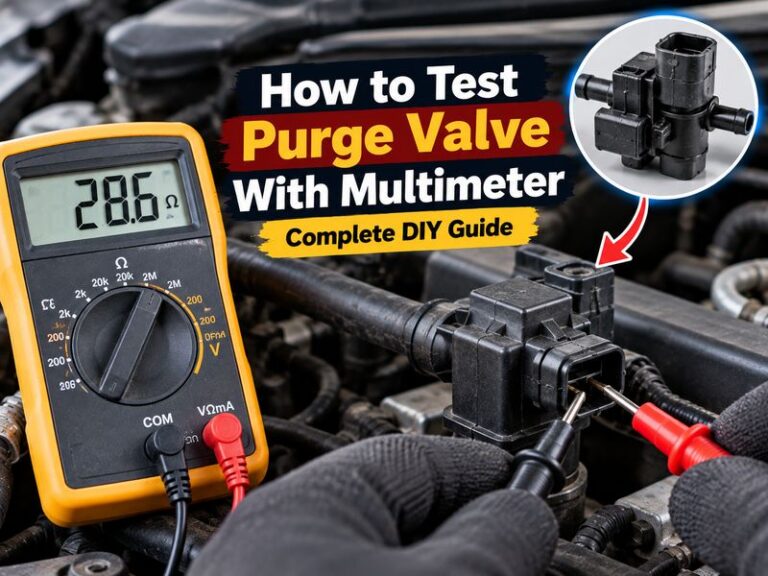
Testing an EVAP purge valve typically involves checking whether it seals when commanded closed and opens when electrically activated.
Depending on the vehicle, diagnosis may include:
- Scan-tool command tests
- Electrical resistance or circuit checks
- Vacuum testing
- Smoke testing
- Checking purge flow
- Listening or feeling for solenoid operation
Simply hearing the valve click does not prove that it seals correctly. A valve can electrically operate while still leaking internally.
Testing procedures and expected readings vary by vehicle, so manufacturer service information should be used when an exact diagnosis is required.
How to Change EVAP Purge Valve
Changing an EVAP purge valve is often straightforward when the valve is accessible near the engine.
A typical replacement involves disconnecting the electrical connector, releasing the EVAP hose fittings, removing the valve from its bracket or mounting point, installing the new valve, and reconnecting everything securely.
The engine should be cool, and vapor lines should be handled carefully because aged plastic connectors can become brittle.
Some vehicles require removal of covers or intake components for access.
After replacement, any stored diagnostic codes may need to be cleared, and the vehicle may require normal driving before EVAP readiness monitoring completes again.
Should You Replace a Purge Valve Based Only on an EVAP Code?
No.
An EVAP trouble code tells you that the vehicle detected a problem, but it does not always identify the failed part.
For example, a code involving purge flow could result from:
- Faulty purge valve
- Damaged wiring
- Disconnected hose
- Blocked vapor line
- Faulty pressure sensor
- Vent-valve problem
- Charcoal-canister issue
Replacing the purge valve without testing can waste money and leave the original problem unresolved.
Diagnosis is especially important when the code describes a system leak rather than a purge-valve circuit fault.
Can a Loose Gas Cap Cause the Same Symptoms as a Bad Purge Valve?
A loose or damaged fuel cap can create EVAP leak codes, but it usually does not produce exactly the same behavior as a purge valve stuck open.
A leaking gas cap primarily prevents the EVAP system from sealing correctly.
A stuck-open purge valve can directly affect intake airflow and fuel vapor entering the engine.
Both problems can illuminate the Check Engine light, which is why the code and system behavior should be evaluated before replacing parts.
Vehicles with capless fuel fillers use a different sealing arrangement, so there may be no removable gas cap to inspect.
Does the Purge Valve Control Fuel Tank Pressure?
It influences tank pressure as part of the larger EVAP system, but it is not the only component responsible.
Tank pressure depends on:
- Vapor generation
- Purge flow
- Vent operation
- Fuel level
- Temperature
- System sealing
During EVAP self-tests, the PCM may manipulate the purge and vent valves and watch the fuel tank pressure sensor to determine whether the system holds pressure or vacuum as expected.
The purge valve therefore participates in pressure management, but it does not independently regulate tank pressure like a dedicated pressure regulator.
Can a Purge Valve Make Noise?
Some purge valves produce an audible clicking or ticking sound when the PCM pulse-width modulates the solenoid.
A light rhythmic clicking can be normal.
The sound comes from the internal plunger opening and closing rapidly.
Noise alone is not enough to diagnose a failed valve.
If the noise is unusually loud or accompanied by rough running, EVAP codes, or other symptoms, inspection may be worthwhile.
Can You Clean an EVAP Purge Valve?
Cleaning is generally not considered the standard repair for an internally failed purge solenoid.
The valve contains electrical and mechanical components, and many units are not designed to be disassembled.
If the valve is internally leaking, sticking, electrically open, shorted, or contaminated, replacement is typically the more dependable repair.
External dirt around the connector and hoses can be cleaned carefully, but avoid introducing solvents into a valve unless the vehicle or component manufacturer specifically approves that procedure.
What Happens If You Disconnect the Purge Valve?
Disconnecting the electrical connector or vapor lines is not a proper repair.
The PCM may detect the open circuit or abnormal EVAP operation and set a diagnostic trouble code.
Disconnecting a hose may also create a significant vacuum or vapor leak.
For diagnosis, technicians may temporarily isolate components using controlled procedures, but the system should be returned to its intended configuration afterward.
Can a Purge Valve Cause a No-Start Condition?
A failed purge valve does not commonly cause a complete no-start condition by itself, but a valve stuck wide open can contribute to difficult starting under certain conditions.
This is especially possible immediately after refueling, when the EVAP system may contain a high concentration of fuel vapor.
A true no-start condition can have many other causes, so ignition, fuel delivery, battery voltage, engine timing, and other systems should not be overlooked.
Can a Purge Valve Cause Rough Idle?
Yes.
If the valve leaks when it should be closed, it can introduce additional vapor or airflow into the intake manifold.
Idle is especially sensitive because the engine is consuming relatively little air.
A small unwanted airflow path can therefore have a greater effect at idle than it does during higher-load operation.
Possible results include:
- Uneven idle
- RPM fluctuation
- Stalling
- Fuel-trim corrections
Again, a vacuum leak elsewhere can create similar symptoms.
Can a Purge Valve Cause Misfires?
A faulty purge valve can contribute to unstable combustion if it significantly disturbs the air-fuel mixture.
In some cases, that may be accompanied by misfire symptoms or codes.
However, a misfire should never automatically be attributed to the EVAP system.
Common causes such as:
- Spark plugs
- Ignition coils
- Fuel injectors
- Compression problems
- Intake leaks
should also be considered.
How Is the EVAP Purge Valve Different From a Fuel Injector?
Both can introduce hydrocarbons into the engine, but they work very differently.
A fuel injector precisely meters liquid fuel supplied by the fuel system.
The EVAP purge valve controls vapor recovered from the fuel tank and charcoal canister.
Fuel injectors are essential to normal engine fueling.
The purge system recovers vapor that would otherwise become evaporative emissions.
The PCM accounts for purge flow as part of its engine-management strategy, but the purge valve is not a substitute for a fuel injector.
Why Is the Purge Valve Important During EVAP Self-Testing?
Modern vehicles monitor emissions systems rather than waiting for a technician to discover a leak.
During certain conditions, the PCM may seal or manipulate the EVAP system and observe pressure changes.
The purge valve can be used to create or control vacuum within the system.
The vent valve may then close so the system is sealed.
The PCM watches pressure behavior to determine whether the system operates normally.
A purge valve that leaks when commanded closed can interfere with these tests and make the computer interpret the EVAP system incorrectly.
Frequently Confused EVAP Terms
Several EVAP terms sound similar but describe different parts.
Purge Valve
Controls vapor flow toward the engine.
Vapor Canister
Stores gasoline vapor using activated charcoal.
Vent Valve
Controls airflow on the atmospheric side of the EVAP system.
Fuel Tank Pressure Sensor
Measures pressure or vacuum in the EVAP system.
EVAP Bypass Valve
A manufacturer-specific valve that may reroute or isolate vapor passages. It is generally not the same component as the purge valve.
Leak Detection Pump
Used on some vehicles to help pressurize, evacuate, or monitor the EVAP system for leaks.
Understanding these distinctions makes EVAP diagnosis much easier.
FAQs About What Is an EVAP Purge Valve
What is an EVAP purge valve in simple terms?
An EVAP purge valve is an electronically controlled valve that allows stored gasoline vapor to move from the charcoal canister into the engine, where the vapor is burned instead of being released into the atmosphere.
What does an EVAP purge valve do?
It regulates the amount and timing of fuel vapor entering the engine from the EVAP system. The PCM opens or pulses the valve when operating conditions are appropriate.
How does an EVAP purge valve work?
The PCM electrically controls a solenoid inside the valve. When the valve opens, engine vacuum pulls stored vapor from the charcoal canister into the intake manifold.
What is an EVAP purge solenoid valve?
An EVAP purge solenoid valve is essentially another name for the purge valve. “Solenoid” refers to the electromagnetic mechanism that moves the internal valve.
Where is the EVAP purge valve located?
On many vehicles, it is in the engine compartment near the intake manifold or throttle body. Some designs place it elsewhere, so the exact location depends on the year, make, model, and engine.
Is the purge valve part of the EVAP system?
Yes. The purge valve is one of the primary EVAP components, along with the fuel tank, charcoal canister, vent valve, vapor lines, and pressure-sensing components.
Is the EVAP bypass valve the same as purge valve?
Usually no. A bypass valve generally controls a different EVAP passage or testing function, while the purge valve specifically controls vapor flow toward the engine. Manufacturer terminology varies, so model-specific service information is important.
Is the purge valve the same as the vent valve?
No. The purge valve controls vapor moving toward the engine, while the vent valve manages airflow at the canister or atmospheric side of the EVAP system.
Can an EVAP purge valve be stuck open?
Yes. A purge valve can fail mechanically and leak even when the PCM is commanding it closed. This may cause hard starting, rough idle, or abnormal purge flow.
Can an EVAP purge valve be stuck closed?
Yes. A valve that does not open can prevent normal purging of the charcoal canister and may trigger EVAP-related diagnostic codes.
Does the purge valve affect the fuel tank?
It indirectly affects tank pressure and vapor management because it is part of the system that removes stored fuel vapor. However, it does not directly control liquid fuel delivery.
Does every gasoline vehicle have a purge valve?
Modern gasoline vehicles with an EVAP emissions system generally use some form of controlled purge mechanism, although the design and terminology can vary significantly between manufacturers.
Conclusion
Understanding what is an EVAP purge valve becomes much easier when you view it as the controlled gateway between the charcoal canister and the engine.
Gasoline vapor forms naturally inside the fuel tank. The EVAP system captures that vapor in an activated-charcoal canister instead of allowing hydrocarbons to escape into the atmosphere. When engine conditions are appropriate, the PCM commands the purge valve to open and engine vacuum draws the stored vapor into the intake, where it is burned during normal combustion.
The purge valve is therefore an important part of the EVAP system, but it should not be confused with the charcoal canister, vent valve, PCV valve, or an EVAP bypass valve. An EVAP bypass valve is generally not the same as a purge valve, although manufacturer-specific naming can sometimes make the distinction confusing.
On many vehicles, the purge valve is located in the engine compartment near the intake manifold, but exact placement varies. If the valve fails, it may cause EVAP codes, hard starting after refueling, rough idle, abnormal purge flow, or other emissions-related problems.
For diagnosis, it is better to test the system rather than replace the valve based only on symptoms or a generic EVAP code. The purge valve is only one component in a network of vapor lines, sensors, valves, and the charcoal canister, and accurate diagnosis ensures the actual fault is repaired.